Ready to buy? Check current prices on Amazon and compare deals before you decide.
Navigating midlife and menopause can bring about various changes, including shifts in cognitive function. Many women report experiencing ‘brain fog’ – a general term for feelings of mental sluggishness, difficulty concentrating, or memory challenges. As interest in natural approaches to well-being grows, some are exploring the potential of botanicals like maca root.
This article will delve into what current research suggests about maca root and cognitive function, particularly its potential relevance for supporting brain health during midlife. It’s important to note that while some early findings are interesting, the evidence is still limited and primarily from animal studies.
Understanding Cognitive Changes in Midlife
Midlife often brings a natural evolution in cognitive abilities. While some aspects of cognition, like vocabulary, may improve, others, such as processing speed or certain types of memory, can experience subtle declines. Hormonal fluctuations during perimenopause and menopause are thought to contribute to these changes, sometimes manifesting as the ‘brain fog’ many women describe.
Supporting brain health during this period involves a multifaceted approach, including diet, exercise, stress management, and adequate sleep. For those interested in complementary options, certain botanicals are being investigated for their potential cognitive benefits [1].
Maca Root: A Brief Overview
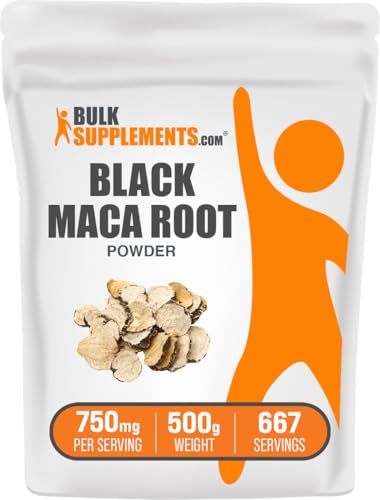
Maca (Lepidium meyenii) is a cruciferous vegetable native to the Andes Mountains of Peru. Traditionally used for its nutritional value and perceived health benefits, different cultivars of maca exist, often distinguished by their color (e.g., yellow, red, black). Each cultivar may have a slightly different chemical profile and traditional uses. Its adaptogenic properties are often discussed, referring to its potential to help the body adapt to stress.
Maca Root and Cognitive Function: What the Research Suggests
Research into maca root’s effects on cognitive function is still in its early stages, with much of the current evidence stemming from animal studies. These studies offer preliminary insights into potential mechanisms and effects, but human trials are needed to confirm these findings. Early research suggests maca may have neuroprotective properties and influence learning and memory.
One study on middle-aged mice indicated that maca could help preserve cognitive function. This effect was associated with improvements in mitochondrial activity and an upregulation of autophagy-related proteins in the brain’s cortex [2]. Mitochondria are often called the ‘powerhouses’ of cells, and their healthy function is crucial for brain energy and overall cellular health.
Another animal study explored the impact of different maca cultivars on learning and depression in ovariectomized mice, a model often used to study post-menopausal changes. This research observed effects on learning in these mice [3]. Additionally, maca has been investigated for its potential neuroprotective effects against certain types of cognitive impairment in mice, specifically those induced by chemotherapy [4].
Beyond these specific findings, some research has broadly recognized maca as a ‘nootropic herb’ – a term used to describe substances that may enhance cognitive function [1]. Its potential role in supporting brain health has also been mentioned in the context of plant-based remedies being explored for neurological conditions [5]. More recently, oral supplementation with maca was observed to improve social recognition deficits in an animal model of autism spectrum disorder [6]. While these studies offer intriguing glimpses, they do not directly address ‘brain fog’ in midlife women, and the translation of these findings to human experience requires further investigation.
Addressing Maca Root Brain Fog: A Limited Perspective
When considering ‘maca root brain fog,’ it’s important to manage expectations based on the current limited evidence. While animal studies suggest maca may support aspects of cognitive health, direct evidence specifically linking maca root to the reduction or resolution of ‘brain fog’ in midlife women is not yet established. The mechanisms observed in animal models, such as improved mitochondrial function, theoretically could contribute to clearer thinking, but this is an area where human-specific research is critically needed.
The concept of ‘brain fog’ is complex and can stem from various factors including hormonal shifts, stress, sleep disturbances, and nutritional deficiencies. While maca root may play a supportive role in overall well-being for some, it is not a guaranteed solution for cognitive challenges. Its potential benefits appear to be related to general brain health support rather than a specific ‘anti-brain fog’ effect.


References
- Nootropic Herbs, Shrubs, and Trees as Potential Cognitive Enhancers. Plants (Basel, Switzerland), 2023
- Preservation of Cognitive Function by Lepidium meyenii (Maca) Is Associated with Improvement of Mitochondrial Activity and Upregulation of Autophagy-Related Proteins in Middle-Aged Mouse Cortex. Evidence-based complementary and alternative medicine : eCAM, 2016
- Effect of three different cultivars of Lepidium meyenii (Maca) on learning and depression in ovariectomized mice. BMC complementary and alternative medicine, 2006
- Neuroprotective effect of herbal extracts inhibiting soluble epoxide hydrolase (sEH) and cyclooxygenase (COX) against chemotherapy-induced cognitive impairment in mice. Biochemical and biophysical research communications, 2023
- Forestalling the Epidemics of Parkinson’s Disease Through Plant-Based Remedies. Frontiers in nutrition, 2018
- Oral Supplementation with Maca Improves Social Recognition Deficits in the Valproic Acid Animal Model of Autism Spectrum Disorder. Brain sciences, 2023
These statements have not been evaluated by the Food and Drug Administration. This information is not intended to diagnose, treat, cure, or prevent any disease. Content is for informational purposes only and is not medical advice; consult a qualified healthcare provider before starting any supplement. As an Amazon Associate we earn from qualifying purchases.
