Ready to buy? Check current prices on Amazon and compare deals before you decide.
Navigating perimenopause and menopause involves many changes, and one area of concern for many women is maintaining strong bones. Bone density naturally declines with age, and hormonal shifts during this life stage can accelerate this process. Many women seek ways to support their skeletal health during this time.
Maca root is a botanical that has garnered interest for its potential benefits during midlife. While research on maca root and bone health in humans is limited, some studies, primarily in animal models, have explored its effects on bone structure and density. This article will review the current evidence regarding maca root’s potential role in supporting skeletal health.
Understanding Bone Health During Perimenopause
As women approach and enter menopause, declining estrogen levels play a significant role in bone remodeling. Estrogen helps regulate the balance between bone formation and bone resorption. When estrogen levels decrease, the rate of bone breakdown can outpace bone formation, leading to a gradual loss of bone density. This makes supporting skeletal health particularly important during perimenopause and beyond.
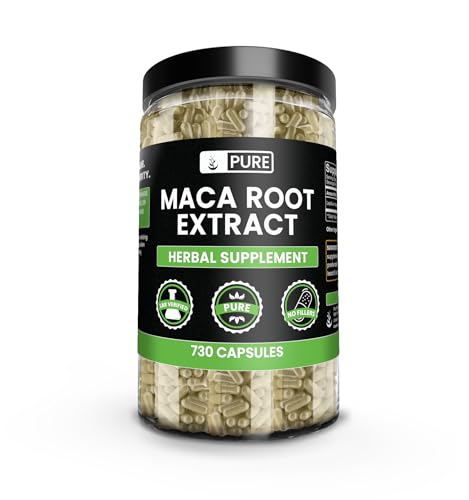
Lifestyle factors, including diet, exercise, and nutrient intake, are crucial for maintaining bone strength. While medical interventions are available, many women also explore complementary approaches, such as botanical supplements, to support their overall well-being and bone health during this transition.
Maca Root and Bone Density: Early Research Findings
Research exploring the direct effects of maca root on human bone density, particularly in perimenopausal women, is currently limited. However, some studies, primarily conducted in animal models, have investigated maca’s potential influence on bone structure. These early findings provide a foundation for understanding potential mechanisms, though they cannot be directly extrapolated to human experience.
One study on ovariectomized rats (an animal model often used to study postmenopausal bone loss) found that different varieties of Maca (Lepidium meyenii) had effects on bone structure [1]. Another study in ovariectomized rats observed that an ethanol extract of Lepidium meyenii Walp. had an effect on osteoporosis in this model [2].
Further research has explored specific compounds within maca and related plants. For example, a compound identified as N-(3-methoxybenzyl)-(9Z,12Z,15Z)-octadecatrienamide, found in maca, was suggested to promote bone formation via a specific signaling pathway [3]. Additionally, a study using Lepidium sativum (a related species, not maca) in ovariectomized rats explored its osteoprotective activity [4], and another noted synergistic antiosteoporotic effects when combined with alendronate in a different rat model [5].


Maca’s Potential Indirect Support for Bone Health
Beyond direct effects on bone, some researchers hypothesize that maca’s broader influence on hormonal balance might indirectly support skeletal health during perimenopause. While maca is not a hormone, some studies suggest it may have a balancing effect on hormones. For instance, a clinical study on early-postmenopausal women explored the hormone-balancing effect of pre-gelatinized organic Maca (Lepidium peruvianum Chacon) [6].

Maintaining hormonal equilibrium during perimenopause is a complex process. While maca does not contain hormones, its potential to support the body’s own endocrine system might contribute to overall well-being, which in turn could play a supportive role in various physiological functions, including those related to bone health. However, this is an area that requires much more dedicated research to establish a clear connection regarding bone density.
Limitations and Future Research
It is crucial to emphasize that the current evidence for maca root directly supporting bone density in perimenopausal women is limited. The majority of studies showing positive effects have been conducted in animal models, which do not always translate directly to human physiology. While these animal studies provide valuable insights into potential mechanisms, they are not a substitute for human clinical trials.
Well-designed, randomized, placebo-controlled human studies are needed to determine if maca root has a significant impact on bone mineral density or markers of bone turnover in women navigating perimenopause and menopause. Such studies would help clarify optimal dosages, varieties of maca, and long-term effects. Until more human research is available, any conclusions about maca’s role in human bone health remain preliminary.
References
- Effects of different varieties of Maca (Lepidium meyenii) on bone structure in ovariectomized rats. Forschende Komplementarmedizin (2006), 2010
- Effect of ethanol extract of Lepidium meyenii Walp. on osteoporosis in ovariectomized rat. Journal of ethnopharmacology, 2006
- N-(3-methoxybenzyl)-(9Z,12Z,15Z)-octadecatrienamide promotes bone formation via the canonical Wnt/β-catenin signaling pathway. Phytotherapy research : PTR, 2019
- Osteoprotective Activity and Metabolite Fingerprint via UPLC/MS and GC/MS of Lepidium sativum in Ovariectomized Rats. Nutrients, 2020
- Synergistic antiosteoporotic effect of Lepidium sativum and alendronate in glucocorticoid-induced osteoporosis in Wistar rats. African journal of traditional, complementary, and alternative medicines : AJTCAM, 2013
- Hormone-Balancing Effect of Pre-Gelatinized Organic Maca (Lepidium peruvianum Chacon): (III) Clinical responses of early-postmenopausal women to Maca in double blind, randomized, Placebo-controlled, crossover configuration, outpatient study. International journal of biomedical science : IJBS, 2006
These statements have not been evaluated by the Food and Drug Administration. This information is not intended to diagnose, treat, cure, or prevent any disease. Content is for informational purposes only and is not medical advice; consult a qualified healthcare provider before starting any supplement. As an Amazon Associate we earn from qualifying purchases.
