Ready to buy? Check current prices on Amazon and compare deals before you decide.
Perimenopause is a natural transition period for women, often marked by a range of shifting experiences as hormone levels begin to fluctuate. Many women seek non-pharmacological approaches to support their well-being during this time. Maca root, an adaptogenic herb, is sometimes considered for its potential role in balancing the body’s systems.
This article will explore the current scientific evidence regarding maca root and its potential relevance for women navigating perimenopause. We’ll look at what research has indicated, focusing on findings from clinical studies, to provide a clear, evidence-based perspective on maca root’s possible benefits.
Understanding Perimenopause and Hormonal Shifts
Perimenopause is the phase leading up to menopause, which is defined as 12 consecutive months without a menstrual period. During perimenopause, ovarian function gradually declines, leading to fluctuating levels of estrogen and progesterone. These hormonal shifts can contribute to various physical and emotional changes.

Common experiences during perimenopause can include changes in menstrual cycles, hot flashes, night sweats, mood variations, and sleep disturbances. These experiences are part of the natural biological process, and many women seek ways to support their comfort and overall health during this transition.
Maca Root and Hormone Balance: What Studies Suggest
Maca (Lepidium meyenii or Lepidium peruvianum Chacon) has been studied for its potential effects on hormonal systems. Some research suggests that maca may influence the endocrine system without directly introducing hormones. For instance, a study on ovariectomized rats indicated that maca had a ‘hormone-balancing effect’ [1]. This suggests an indirect influence rather than a direct hormonal action.
In clinical settings, pre-gelatinized maca has been investigated for its potential to support women during the perimenopausal and early postmenopausal periods. One pilot study observed that pre-gelatinized maca was used as a non-hormonal alternative in perimenopausal women, with findings suggesting potential therapeutic effects [2]. This implies that maca might offer support without the direct use of exogenous hormones, which is a key area of interest for many women.
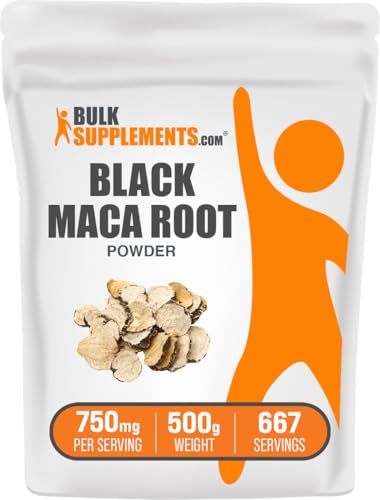


Maca Root and Perimenopausal Experiences: Clinical Findings
Several studies have explored how maca root might influence common perimenopausal experiences. A systematic review published in Maturitas in 2011 examined existing evidence on maca for menopausal symptoms. This review suggested that maca may have a role in addressing some of these symptoms [3]. However, it’s important to note that systematic reviews synthesize multiple studies, and the strength of evidence can vary.
More specifically, clinical studies involving early postmenopausal women have looked at the symptomatic responses to standardized doses of maca. One double-blind, randomized, placebo-controlled, multi-centre clinical study noted physiological and symptomatic responses in women receiving maca [4]. Another double-blind, randomized, placebo-controlled, crossover study also reported clinical responses in early-postmenopausal women to maca [5]. These findings suggest maca may contribute to an improved sense of well-being during this phase, though the exact mechanisms are still being explored.
Potential Impact on Mood and Energy
Fluctuations in mood and energy levels are frequently reported during perimenopause. While direct studies on maca’s impact specifically on perimenopausal mood are still emerging, the general body of research on maca often points to its potential adaptogenic qualities, which may indirectly support overall well-being. The observed ‘clinical responses’ and ‘symptomatic responses’ in studies of early postmenopausal women [5][4] might encompass improvements in areas like energy or mood, though these specific aspects are not always detailed as primary outcomes.
References
- Hormone-Balancing Effect of Pre-Gelatinized Organic Maca (Lepidium peruvianum Chacon): (I) Biochemical and Pharmacodynamic Study on Maca using Clinical Laboratory Model on Ovariectomized Rats. International journal of biomedical science : IJBS, 2006
- Therapeutic Effects of Pre-Gelatinized Maca (Lepidium Peruvianum Chacon) used as a Non-Hormonal Alternative to HRT in Perimenopausal Women – Clinical Pilot Study. International journal of biomedical science : IJBS, 2006
- Maca (Lepidium meyenii) for treatment of menopausal symptoms: A systematic review. Maturitas, 2011
- Hormone-Balancing Effect of Pre-Gelatinized Organic Maca (Lepidium peruvianum Chacon): (II) Physiological and Symptomatic Responses of Early-Postmenopausal Women to Standardized doses of Maca in Double Blind, Randomized, Placebo-Controlled, Multi-Centre Clinical Study. International journal of biomedical science : IJBS, 2006
- Hormone-Balancing Effect of Pre-Gelatinized Organic Maca (Lepidium peruvianum Chacon): (III) Clinical responses of early-postmenopausal women to Maca in double blind, randomized, Placebo-controlled, crossover configuration, outpatient study. International journal of biomedical science : IJBS, 2006
These statements have not been evaluated by the Food and Drug Administration. This information is not intended to diagnose, treat, cure, or prevent any disease. Content is for informational purposes only and is not medical advice; consult a qualified healthcare provider before starting any supplement. As an Amazon Associate we earn from qualifying purchases.
