Ready to buy? Check current prices on Amazon and compare deals before you decide.
Polycystic Ovary Syndrome (PCOS) is a complex hormonal condition that can continue to present challenges for women as they navigate midlife and perimenopause. The fluctuating hormones of this life stage can sometimes overlap with or exacerbate existing PCOS symptoms, making it a particularly intricate period for managing well-being.
Many women seek natural approaches to support their health during this time. Maca root (Lepidium meyenii) is an adaptogenic herb often explored for its potential role in supporting hormonal balance. This article will examine the current understanding of maca root’s potential relevance for women with PCOS during perimenopause, based on available research.
Understanding PCOS and Perimenopause
PCOS is characterized by a combination of symptoms, which can include irregular menstrual cycles, excess androgen levels (leading to symptoms like acne or hirsutism), and polycystic ovaries seen on ultrasound. It is a condition with a complex pathogenesis involving various signaling pathways [1]. As women approach perimenopause, their bodies undergo significant hormonal shifts, with fluctuating estrogen and progesterone levels. These changes can sometimes make it harder to distinguish between typical perimenopausal symptoms and ongoing PCOS manifestations.
For women with PCOS, perimenopause can bring a unique set of considerations. While some PCOS symptoms, like irregular periods, might naturally become less pronounced as menstrual cycles cease, others, such as insulin resistance or weight management challenges, may persist or even intensify due to age-related metabolic changes. Managing these intertwined hormonal landscapes requires a thoughtful and informed approach.
Maca Root: An Overview of its Traditional Use and Proposed Actions
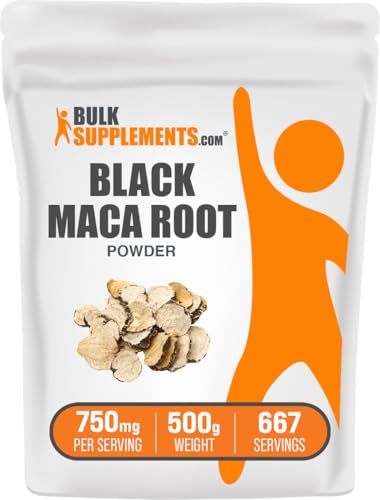
Maca root, derived from the Lepidium meyenii plant native to the Andes, has a long history of traditional use as a food and for its perceived health benefits. It is often categorized as an adaptogen, believed to help the body adapt to various stressors and support overall balance. While maca does not contain hormones itself, it is thought to influence the endocrine system indirectly.
The mechanisms by which maca root might exert its effects are still being investigated. Some theories suggest it may support the hypothalamus-pituitary-adrenal (HPA) axis, which plays a central role in stress response and hormone regulation. Its nutritional profile, rich in vitamins, minerals, and amino acids, may also contribute to its general wellness properties.
Maca Root and PCOS: What the Research Suggests
Current research specifically investigating maca root’s effects on PCOS in human midlife women is limited. However, some early studies, primarily in animal models, offer preliminary insights into the potential pathways that might be relevant. One review highlighted herbal remedies, including Lepidium meyenii (maca), as part of a combination of lifestyle modifications and herbal approaches for PCOS management [2]. This suggests an interest in its potential role within a broader wellness strategy.
Animal studies have begun to explore the effects of related species. For example, research on Lepidium sativum (garden cress), a plant in the same genus as maca, has shown promise in alleviating reproductive and developmental toxicity in rat models of PCOS induced by letrozole and a high-fat diet [3]. Another study investigated Lepidium sativum in treating D-galactose-induced polycystic ovarian conditions in rats [4]. While these findings are intriguing and suggest potential biological activity within the Lepidium genus, it is crucial to remember that results from animal studies do not directly translate to human effects, and these studies did not specifically use Lepidium meyenii (maca root).
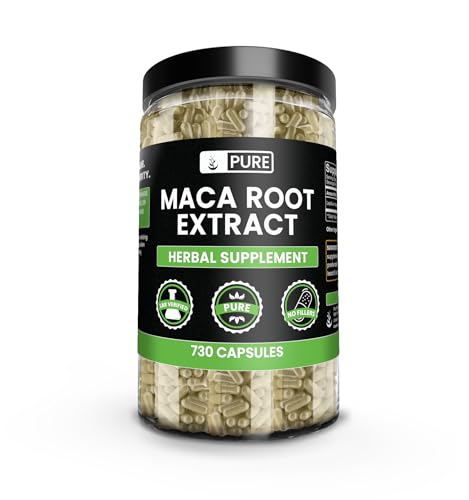
It’s important to reiterate that direct evidence for maca root’s efficacy in managing PCOS symptoms in perimenopausal women is very early and not yet established. The existing evidence primarily points to a general interest in herbal remedies for PCOS and preliminary findings from animal models using related plants. More targeted human research is needed to understand maca root’s specific impact on PCOS in this population.
Navigating PCOS and Perimenopause with Maca Root
Given the limited human research on maca root specifically for PCOS in perimenopausal women, any consideration of its use should be approached with caution and realistic expectations. While it may be explored as a complementary support, it is not a substitute for conventional medical care or established management strategies for PCOS.
For women managing PCOS symptoms during perimenopause, a holistic approach often involves dietary adjustments, regular physical activity, stress management, and, when appropriate, conventional medical interventions. Lifestyle modification, alongside herbal remedies, has been noted as an approach to PCOS management [2]. Maca root, if considered, could potentially be part of a broader lifestyle strategy aimed at supporting overall well-being and hormonal balance, rather than directly addressing PCOS symptoms.


References
- Polycystic Ovarian Syndrome (PCOS): A Brief Overview on Pathogenesis, Main Signaling Pathways, and Recent Studies Performed on Letrozole-induced PCOS in Rodents. Current pharmaceutical biotechnology, 2026
- Incredible Combination of Lifestyle Modification and Herbal Remedies for Polycystic Ovarian Syndrome Management. Evidence-based complementary and alternative medicine : eCAM, 2023
- Lepidium Sativum Extract Alleviates Reproductive and Developmental Toxicity in Polycystic Ovary Syndrome Induced by Letrozole and High-Fat Diet in Rats. Reproductive sciences (Thousand Oaks, Calif.), 2025
- Treatment of D-galactose-induced rat polycystic ovarian condition using Lepidium sativum and secondary antibodies. Journal of advanced veterinary and animal research, 2024
These statements have not been evaluated by the Food and Drug Administration. This information is not intended to diagnose, treat, cure, or prevent any disease. Content is for informational purposes only and is not medical advice; consult a qualified healthcare provider before starting any supplement. As an Amazon Associate we earn from qualifying purchases.
