Ready to buy? Check current prices on Amazon and compare deals before you decide.
Navigating the hormonal shifts of midlife and menopause can bring a range of experiences. Many women seek natural ways to support their well-being during this time, and maca root often comes up in discussions.
A common question is how maca root interacts with the body’s delicate hormonal balance. It’s important to understand that maca root is not a phytoestrogen, which means its potential influence on hormones may operate through different pathways.
Understanding Maca Root’s Potential Influence on Hormones
When considering how maca root might affect the body, it’s helpful to distinguish it from compounds like phytoestrogens. Phytoestrogens are plant-derived compounds that can mimic estrogen in the body, interacting with estrogen receptors. Maca root, however, does not appear to function in this way[1].
Instead, research suggests that maca root’s potential impact on hormonal balance may stem from its adaptogenic properties. Adaptogens are substances believed to help the body adapt to various stressors and support overall systemic balance[2], rather than directly introducing or mimicking specific hormones.
This indirect approach means maca root may work by supporting the body’s own regulatory systems, which in turn could have an effect on how hormones are managed. It’s a nuanced distinction that sets maca root apart from direct hormonal interventions.


The Hypothalamic-Pituitary Axis: A Potential Pathway
One area of focus for understanding maca root’s mechanism is its potential interaction with the hypothalamic-pituitary axis (HPA axis). This complex system is a major neuroendocrine pathway that plays a crucial role in regulating many bodily functions, including stress response, mood, and hormone production.
The hypothalamus, located in the brain, communicates with the pituitary gland, which then sends signals to other endocrine glands throughout the body, such as the adrenal glands and ovaries. This intricate communication network helps maintain hormonal equilibrium.
It’s theorized that maca root may support the optimal functioning of the HPA axis, thereby indirectly influencing the body’s ability to produce and regulate its own hormones. Rather than providing external hormones, it may help the body’s internal systems work more efficiently.
Maca Root and Endocrine Gland Support
Beyond the HPA axis, maca root is also thought to potentially support the health and function of various endocrine glands. These glands are responsible for producing and secreting hormones directly into the bloodstream. Examples include the adrenal glands, which produce cortisol and other stress hormones, and the thyroid gland, which regulates metabolism.
By potentially supporting the overall health and function of these glands, maca root may help them to produce hormones within a healthy range. This is different from directly stimulating or inhibiting hormone production; rather, it’s about providing foundational support for the glands themselves.
This concept aligns with maca root’s reputation as a ‘tonic’ or ‘adaptogen,’ suggesting a role in general well-being and systemic balance, which indirectly influences hormonal equilibrium.
Nutrient Profile and Systemic Effects
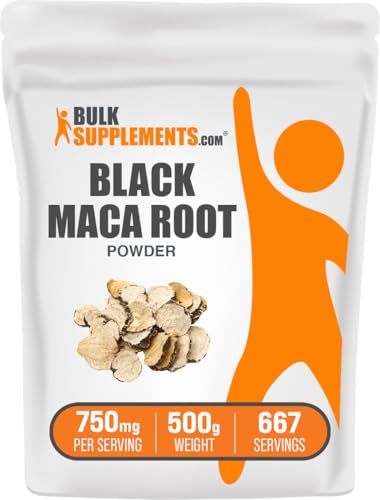
Maca root is also known for its rich nutritional profile, containing various vitamins, minerals, amino acids, and unique compounds like macaenes and macamides[3]. These nutrients are essential for overall bodily function, including hormone synthesis and regulation.
While not directly hormonal, providing the body with a robust supply of essential nutrients can contribute to optimal physiological processes. A well-nourished body is generally better equipped to manage its own complex systems, including the endocrine system.
Therefore, part of maca root’s potential influence on hormones could be attributed to its comprehensive nutritional support, which helps create an environment conducive to healthy hormonal balance rather than directly altering hormone levels.
Maca Root is Not a Phytoestrogen: What This Means for You
Reiterating that maca root is not a phytoestrogen is a crucial point for women navigating midlife. This distinction is important because some women may be advised to limit phytoestrogen intake due to specific health considerations.
Because maca root does not act as a phytoestrogen[1], it may offer a different approach to supporting well-being during menopause. Its proposed mechanism involves supporting the body’s own endocrine system and adaptogenic responses, rather than introducing plant-based estrogens.
This understanding can help individuals make informed choices about incorporating maca root into their wellness routine, especially when considering its unique way of potentially interacting with the body’s hormonal landscape.


References
- Beneficial effects of Lepidium meyenii (Maca) on psychological symptoms and measures of sexual dysfunction in postmenopausal women are not related to estrogen or androgen content. Menopause (New York, N.Y.), 2008
- Maca (Lepidium meyenii) for treatment of menopausal symptoms: A systematic review. Maturitas, 2011
- Exploring the chemical and pharmacological variability of Lepidium meyenii: a comprehensive review of the effects of maca. Frontiers in pharmacology, 2024
These statements have not been evaluated by the Food and Drug Administration. This information is not intended to diagnose, treat, cure, or prevent any disease. Content is for informational purposes only and is not medical advice; consult a qualified healthcare provider before starting any supplement. As an Amazon Associate we earn from qualifying purchases.
