Navigating the supplement market can be complex, especially when seeking options to support well-being during midlife and menopause. Maca root, derived from the Lepidium meyenii plant, has gained attention, but understanding how to select a quality product is essential for informed choices.
This guide aims to provide practical, evidence-based information on what to look for when considering a maca root supplement. Our focus is on helping you make discerning decisions, acknowledging that research on maca is still developing.
Understanding Maca Root Forms: Powder vs. Extract
Maca root is commonly available in two primary forms: powdered root and concentrated extract. The powdered form typically involves drying and grinding the raw or gelatinized maca root. Gelatinized maca undergoes a heating process that removes starch, which some believe may make it easier to digest, though specific human digestion studies are limited.
Maca extracts, on the other hand, are concentrated forms where specific compounds from the root are isolated or amplified. While research has explored the molecular components of Lepidium meyenii roots, identifying various compounds [1], it’s not yet fully understood how these different extraction methods might impact their effects in humans. The choice between powder and extract often depends on individual preference and the desired concentration of maca’s constituents.
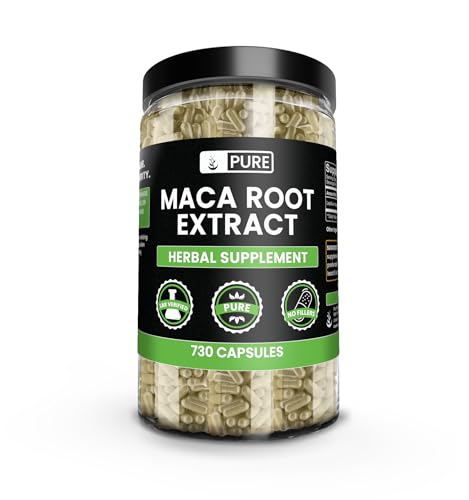


Red, Black, or Yellow Maca: Do Colors Matter?
Maca root comes in several phenotypes, most commonly categorized by color: red, black, and yellow. These different colors are derived from the same Lepidium meyenii plant but are harvested from roots with distinct external hues. While traditional use sometimes attributes different properties to each color, the scientific literature specifically comparing their effects in humans is limited and not yet conclusive.

Research has explored the chemical profiles of maca, identifying various compounds within the root [1]. However, comprehensive studies directly linking specific color variants to distinct human health outcomes are still emerging. Therefore, while you might encounter claims about the unique benefits of red, black, or yellow maca, it’s important to recognize that robust human-specific evidence for these distinctions is not widely established.
Source and Cultivation Practices
The origin and cultivation of maca root can influence the final product. Maca is native to the high altitudes of the Peruvian Andes, where it has been cultivated for centuries. Reputable suppliers often source their maca from these traditional growing regions, adhering to sustainable and ethical practices.
The growing conditions, soil quality, and harvesting methods can all play a role in the phytochemical content of the root. While specific studies directly linking cultivation practices to the efficacy of maca in humans are limited, ensuring a product comes from a reputable source that prioritizes quality control and responsible farming practices can be a consideration.
Third-Party Testing and Quality Assurance
Given the limited regulation of dietary supplements, third-party testing offers an additional layer of assurance regarding product quality, purity, and potency. Independent laboratories can verify that a supplement contains the stated amount of maca and is free from contaminants like heavy metals, pesticides, and microbial impurities. Look for products that provide evidence of such testing, often indicated by seals or certificates of analysis.
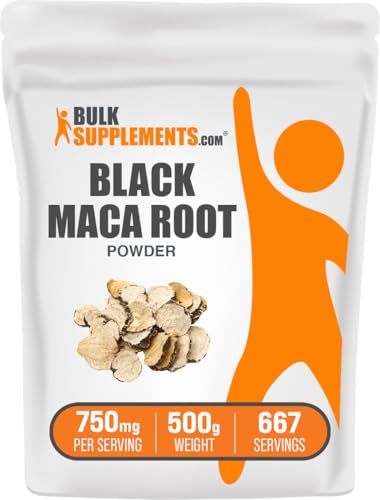
While the specific components that contribute to maca’s potential effects are still being investigated [1], ensuring the product you choose is free from unwanted substances is a critical aspect of consumer safety and product quality.
Reading Labels and Ingredient Lists
Carefully examining the product label is a fundamental step in choosing a quality maca root supplement. Look for clear ingredient lists that specify the form of maca (e.g., gelatinized maca powder, maca extract) and the amount per serving. Avoid products with excessive fillers, artificial ingredients, or proprietary blends where the exact quantities of each ingredient are not disclosed.
Some products may combine maca with other herbs or supplements. If you are specifically seeking maca, ensure it is the primary ingredient and that you understand all other components included. Always consult with a healthcare provider before introducing new supplements, especially if you have existing health conditions or are taking other medications.
References
- Lepidium meyenii (Maca) Roots: UPLC-HRMS, Molecular Docking, and Molecular Dynamics. ACS omega, 2022
These statements have not been evaluated by the Food and Drug Administration. This information is not intended to diagnose, treat, cure, or prevent any disease. Content is for informational purposes only and is not medical advice; consult a qualified healthcare provider before starting any supplement. As an Amazon Associate we earn from qualifying purchases.
