Navigating perimenopause can feel like an unpredictable journey, marked by fluctuating energy levels, shifts in libido, and a general sense of imbalance. Many women, aged 40 to 55, are actively seeking natural ways to support their bodies through this transition, looking for supplements that genuinely make a difference. If you’ve found yourself researching Maca root, a traditional adaptogen known for its potential to support vitality and hormonal harmony, you’re in the right place.
This comprehensive guide cuts through the noise, offering an evidence-based look at the best Maca root supplements available in 2026. We’ll explore what makes a Maca supplement effective, how it might support your perimenopausal journey, and what to look for when making an informed purchase, ensuring you choose a product that aligns with your health goals.
FTC Disclosure: MacaRootHub may earn a commission from qualifying purchases made through links in this article. This helps support our independent research and content creation.
Understanding Maca Root: The Adaptogen for Women’s Wellness
Maca (Lepidium meyenii) is a cruciferous vegetable native to the high Andes mountains of Peru, traditionally used for centuries for its nutritional and medicinal properties. It is an adaptogen, meaning it helps the body adapt to various stressors and promotes balance without directly stimulating or inhibiting specific glands or hormones[1][2].
For women experiencing perimenopause, Maca’s adaptogenic qualities are particularly appealing. Instead of introducing external hormones[2], Maca is believed to work by nourishing the endocrine system, which includes the adrenal, thyroid, and pituitary glands, indirectly supporting hormonal equilibrium.
How Maca May Support Perimenopausal Symptoms
Research on Maca and perimenopause, while often involving smaller studies, points to several potential benefits[1][3]. These include improvements in mood, energy levels, and sexual function, which are common areas of concern during this life stage.
One proposed mechanism involves Maca’s unique compounds, such as macaenes and macamides[4], which are thought to interact with the endocannabinoid system and neurotransmitters. This interaction may contribute to its mood-balancing and energy-boosting effects.

Maca for Energy and Stamina During Perimenopause
Fatigue is a pervasive complaint during perimenopause, often linked to hormonal fluctuations and disrupted sleep patterns. Many women seek natural ways to restore their vitality and improve daily energy levels without relying on stimulants.
Several studies suggest Maca can positively impact perceived energy and stamina. Participants often report reduced fatigue and an increased sense of well-being, which can be particularly beneficial when navigating the demands of perimenopause.

The energy-enhancing effects of Maca are not typically described as a sudden jolt, like caffeine, but rather a sustained and balanced increase in vitality. This makes it a suitable option for those looking for gentle, long-term support.
Maca and Libido: Reigniting Desire
Declining libido is a common and often distressing symptom of perimenopause, influenced by hormonal changes, stress, and fatigue. Maca has gained significant attention for its traditional use and studied potential in supporting sexual health.
Clinical trials have indicated that Maca can improve sexual desire in both men and women, independent of changes in sex hormone levels. This suggests that its effects on libido may be mediated through pathways other than direct hormonal stimulation, perhaps involving neurotransmitters or overall well-being.
For women experiencing perimenopausal changes in sexual function, Maca offers a natural approach to potentially enhance desire and satisfaction, contributing to an improved quality of life.
Maca for Hormonal Balance and Mood Support
The erratic hormonal shifts of perimenopause can lead to a rollercoaster of emotions, including irritability, anxiety, and mood swings. Finding ways to stabilize mood and support overall hormonal equilibrium is a key concern for many.
While Maca does not contain plant estrogens or directly alter hormone levels in the same way as hormone replacement therapy, studies have shown its potential to alleviate some perimenopausal symptoms. These include reducing the frequency and severity of hot flashes and night sweats, and improving mood.
Its adaptogenic nature is thought to help the body better manage stress responses and support the intricate communication within the endocrine system. This indirect support can contribute to a more balanced internal environment during a time of significant physiological change.

Choosing the Best Maca Root Supplement in 2026
When selecting a Maca supplement, quality, purity, and form are paramount. The market offers a variety of products, and understanding the differences can help you make an informed decision.
Gelatinized vs. Raw Maca
Raw Maca powder is simply dried and ground Maca root. While nutrient-rich, it contains starches that can be difficult for some to digest, potentially causing gastrointestinal upset.
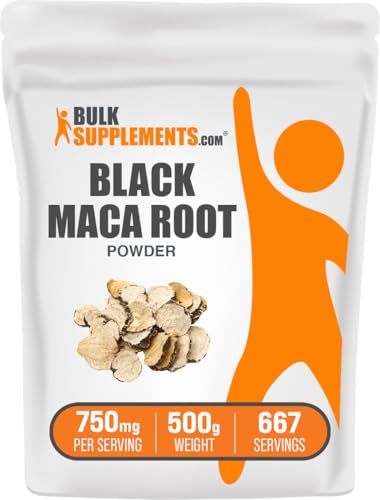
Gelatinized Maca undergoes a heating and pressure process that removes the starch content, making it easier to digest and potentially increasing the bioavailability of its beneficial compounds. For many, especially those with sensitive stomachs, gelatinized Maca is the preferred choice.
Maca Color Varieties: Red, Black, and Yellow
Maca roots come in different colors, primarily yellow, red, and black, each with slightly varying phytochemical profiles and traditional uses. While all Maca offers benefits, some research suggests specific colors may be more potent for certain concerns.
Yellow Maca is the most common variety and is generally recognized for overall well-being and energy. Red Maca is often highlighted for its potential to support bone health and hormonal balance, while Black Maca is frequently associated with stamina, energy, and male fertility, though it also offers general adaptogenic benefits for women.
Key Factors for Supplement Quality
| Factor | Description | Why it Matters |
|---|---|---|
| Source & Origin | Authentic Peruvian Maca, ideally from high-altitude regions. | Ensures traditional growing conditions and genetic purity. |
| Organic Certification | Certified organic by recognized bodies (e.g., USDA Organic). | Guarantees no pesticides, herbicides, or synthetic fertilizers. |
| Third-Party Testing | Independent lab testing for purity, potency, and contaminants. | Verifies label claims and ensures product safety. |
| Formulation | Gelatinized powder or capsules for easier digestion. | Optimizes absorption and minimizes digestive discomfort. |
| No Fillers/Additives | Free from unnecessary binders, fillers, and artificial ingredients. | Ensures you’re getting pure Maca without unwanted extras. |
Amazon Affiliate Spotlight: What to Look For
When searching for Maca root supplements on Amazon, focus your search on specific product types that align with quality and efficacy. Remember to always check product reviews, ingredient lists, and third-party certifications.
Look for organic gelatinized maca root capsules if you prioritize ease of digestion and convenience. For those who prefer to add Maca to smoothies or other foods, search for organic gelatinized maca powder.
If you are interested in the specific benefits associated with different Maca colors, you can explore organic red maca root capsules or organic black maca root powder, ensuring they are also gelatinized for better tolerance.
Dosage and Safety Considerations
Typical dosages of Maca root range from 1,500 mg to 3,000 mg per day, often divided into two or three doses. It is always advisable to start with a lower dose and gradually increase it to assess your tolerance and desired effects.
Maca is generally considered safe for most people, with few reported side effects. However, pregnant or breastfeeding women, and individuals with hormone-sensitive conditions, should consult with a healthcare professional before taking Maca.
As with any supplement, consistency is key. It may take several weeks of consistent use to notice the full benefits of Maca. Listen to your body and adjust your intake as needed.
Conclusion: Empowering Your Perimenopausal Journey
Maca root offers a compelling, natural option for women navigating the complexities of perimenopause. Its adaptogenic properties, coupled with its potential to support energy, libido, and mood balance, make it a valuable addition to a holistic wellness strategy.
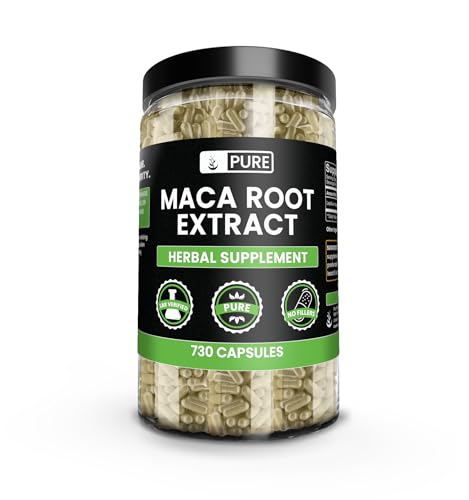
By understanding the nuances of Maca varieties, processing methods, and quality indicators, you can confidently select a supplement that is effective and safe. Empower yourself with knowledge and choose a Maca product that supports your journey toward balanced well-being during this significant life stage.
Frequently Asked Questions About Maca Root
What is the difference between raw and gelatinized Maca?
Raw Maca is simply dried and ground, containing starches that can be hard to digest. Gelatinized Maca has had these starches removed through a heating process, making it easier on the stomach and potentially more bioavailable.
Which color of Maca is best for perimenopause?
While all Maca colors offer general benefits, Red Maca is often specifically recommended for women’s hormonal balance and bone health, and has shown promise in reducing perimenopausal symptoms. Yellow Maca is also excellent for overall well-being and energy.
How long does it take for Maca to work?
The effects of Maca are often gradual. Many individuals report noticing benefits within 2-4 weeks of consistent daily use, though some may experience changes sooner or later depending on their individual physiology and the severity of their symptoms.
Can Maca interact with medications?
While Maca is generally safe, it’s always wise to consult with your doctor before starting any new supplement, especially if you are taking medications. This is particularly important for individuals on hormone-sensitive therapies or blood thinners.
Is Maca safe for long-term use?
Maca has a long history of traditional use and is generally considered safe for long-term consumption. However, it’s always recommended to discuss prolonged supplement use with a healthcare provider to ensure it remains appropriate for your individual health needs.
Does Maca affect sleep?
Maca is not typically considered a stimulant, but its energy-boosting properties can sometimes be noticeable. For some, taking Maca too late in the day might interfere with sleep. It’s often recommended to take Maca earlier in the day to avoid any potential sleep disruption.
These statements have not been evaluated by the FDA. This product is not intended to diagnose, treat, cure, or prevent any disease.

References
- Maca (Lepidium meyenii) for treatment of menopausal symptoms: A systematic review. Maturitas, 2011
- Beneficial effects of Lepidium meyenii (Maca) on psychological symptoms and measures of sexual dysfunction in postmenopausal women are not related to estrogen or androgen content. Menopause (New York, N.Y.), 2008
- Maca (L. meyenii) for improving sexual function: a systematic review. BMC complementary and alternative medicine, 2010
- Exploring the chemical and pharmacological variability of Lepidium meyenii: a comprehensive review of the effects of maca. Frontiers in pharmacology, 2024
These statements have not been evaluated by the Food and Drug Administration. This information is not intended to diagnose, treat, cure, or prevent any disease. Content is for informational purposes only and is not medical advice; consult a qualified healthcare provider before starting any supplement. As an Amazon Associate we earn from qualifying purchases.
