Are you a woman navigating the often-turbulent waters of perimenopause, feeling the familiar shifts in energy, mood, and libido? Perhaps you’ve heard whispers about maca root, a Peruvian superfood celebrated for centuries, and are wondering if it truly lives up to its reputation as a natural ally for women like you. With so much information, and sometimes misinformation, circulating online, it’s crucial to sift through the noise and understand what the current scientific landscape actually reveals about maca root’s potential benefits.
This article, updated for 2026, cuts through the hype to provide a practical, evidence-based look at Lepidium meyenii, commonly known as maca root. We’ll explore the science behind its traditional uses, focusing on what research indicates for energy, libido, and hormonal balance during perimenopause. Our goal is to equip you with honest, actionable insights so you can make an informed decision about whether maca root could be a valuable addition to your wellness journey.
FTC Disclosure: MacaRootHub may earn a commission from qualifying purchases made through affiliate links in this article. This helps support our research and content creation.
What is Maca Root (Lepidium meyenii)?
Maca root, botanically known as Lepidium meyenii, is a cruciferous vegetable native to the high Andes mountains of Peru. For thousands of years, indigenous cultures have used it not only as a food source but also for its medicinal properties.
It’s often referred to as “Peruvian Ginseng” due to its adaptogenic qualities, although it is not botanically related to ginseng. Maca is typically consumed in powdered form, derived from its dried root.
Maca as an Adaptogen for Women
An adaptogen is a natural substance that helps the body adapt to stress and exert a normalizing effect on bodily processes. Maca root is widely recognized as an adaptogen, particularly beneficial for women during periods of hormonal fluctuation like perimenopause.
Unlike some other compounds, maca does not contain plant hormones itself. Instead, it is thought to work by nourishing and supporting the endocrine system, which includes glands like the adrenals, thyroid, and ovaries.
This support helps the body better regulate its own hormone production, promoting balance rather than directly introducing external hormones. This subtle, supportive mechanism is a key reason why many women find it appealing.
Maca Root for Perimenopause Symptoms
Perimenopause is characterized by fluctuating hormone levels, primarily estrogen and progesterone, leading to a range of symptoms. These can include hot flashes, night sweats, mood swings, sleep disturbances, and decreased libido.
Maca root has gained attention for its potential to alleviate some of these common perimenopausal discomforts. While research is still evolving, several studies suggest promising outcomes.
Hormonal Balance and Menopausal Symptoms
A 2006 randomized, double-blind, placebo-controlled crossover trial in the International Journal of Biomedical Science gave 2 g/day of gelatinized maca to 34 early-postmenopausal women. Participants reported a significant reduction in menopausal discomfort, hot flushes and night sweating in particular[1].
That same trial reported higher bone density markers, measured in 12 of the participants, along with a lower body mass index, and described maca as acting on the hypothalamus-pituitary-ovarian axis[1]. Two caveats belong with it. The work came from a research group connected to the maca preparation being tested, and its hormone findings have not been reproduced by the independent trials that went looking for them.

A later trial in Climacteric (2015) tested 3.3 g/day in 29 postmenopausal women and found the opposite on hormones. It measured no change in estradiol, FSH, TSH or sex hormone binding globulin, and its authors concluded that maca did not exert hormonal or immune biological action in this group. What it did show was a significant fall in diastolic blood pressure and in depression scores[2].
An earlier NIH-supported crossover trial in Menopause (2008) reached the same conclusion by a different route: reduced anxiety, depression and sexual dysfunction in postmenopausal women, with no change in estradiol, FSH, LH or sex hormone binding globulin, and a benefit the authors stated was independent of any estrogenic or androgenic activity[3]. The honest summary is that maca appears to ease some menopausal symptoms without measurably raising estrogen.
Maca Root and Mood Support
Mood swings, anxiety, and even depressive symptoms are common during perimenopause due to hormonal fluctuations. Emerging research suggests maca root may offer support in this area.
The adaptogenic properties of maca may help the body manage stress more effectively, which in turn can positively impact mood. Some studies indicate a reduction in symptoms of anxiety and depression, potentially by influencing neurotransmitter activity.
Boosting Energy and Stamina
Fatigue is a pervasive complaint among women in their 40s and 50s, often exacerbated by hormonal shifts and disrupted sleep patterns. Maca root has a long-standing traditional reputation for enhancing energy and stamina without the jitters associated with caffeine.
While the exact mechanisms are still being elucidated, researchers believe maca’s unique nutritional profile, including amino acids, vitamins, and minerals, plays a role. It may also support mitochondrial function, which is crucial for cellular energy production.
Several smaller human studies have reported subjective improvements in energy levels and reduced feelings of fatigue among participants consuming maca. Athletes have also used maca to enhance endurance, suggesting a broader potential for general vitality.
Maca Root for Libido and Sexual Function
Decreased libido is a common and often distressing symptom for many women during perimenopause and menopause. Hormonal changes, particularly declining estrogen, can contribute to reduced sexual desire and comfort.
Sexual health is where maca has been studied most, though most-studied here still means a handful of small trials. A systematic review published in BMC Complementary and Alternative Medicine (2010) searched 17 databases for randomized placebo-controlled trials of maca in sexual dysfunction.
It found four randomized trials. Two showed a significant effect on sexual desire, in healthy menopausal women and in healthy adult men; one found nothing in healthy cyclists; a fourth showed a benefit in men with erectile dysfunction. The reviewers called this limited evidence, and judged the number of trials, the sample sizes and the methodological quality too small to draw firm conclusions[4].
A separate pilot in CNS Neuroscience & Therapeutics (2008) tested maca for SSRI-induced sexual dysfunction in 20 outpatients, 17 of them women. Improvement reached significance only in the 3.0 g/day arm, and only 10 people completed the study[5].
It is thought that maca’s positive impact on libido is not necessarily due to direct hormonal stimulation but rather its adaptogenic effects, its ability to reduce anxiety, and its potential to improve overall vitality and mood, all of which contribute to sexual well-being.
Understanding Maca Types and Dosage
Maca root comes in different “colors” or phenotypes, with yellow, red, and black maca being the most common. Each color has a slightly different nutritional profile and traditional uses.
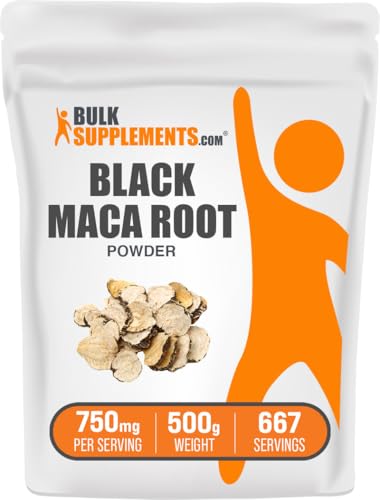
While all maca types offer general adaptogenic benefits, red maca is often highlighted for its potential benefits for women’s hormonal balance and bone density. Black maca is frequently associated with energy and stamina, while yellow maca is the most common and widely studied for general well-being.
Gelatinized vs. Raw Maca
Maca is available in both raw and gelatinized forms. Gelatinized maca is not actually gelatin-containing; it refers to a process where the starch is removed from the maca root through heat and pressure.
This process makes it easier to digest for some individuals, as raw maca can cause digestive upset due to its high starch content. Gelatinized maca is often recommended for those with sensitive stomachs.
Dosage Considerations
Typical dosages for maca root range from 1,500 mg to 3,000 mg per day, often split into two doses. It’s always advisable to start with a lower dose and gradually increase it to assess your body’s response.
Consulting with a healthcare professional before starting any new supplement, especially if you have pre-existing health conditions or are taking medications, is highly recommended.
Comparison: Maca vs. Other Natural Perimenopause Supports
Understanding how maca compares to other popular natural remedies for perimenopause can help inform your choices. Here’s a brief overview:
| Supplement | Primary Focus | Mechanism | Research Strength (for perimenopause) |
|---|---|---|---|
| Maca Root | Adaptogenic, libido, energy, mood, hormonal balance | Supports endocrine system, non-hormonal | Growing, some positive RCTs for symptoms and libido |
| Black Cohosh | Hot flashes, night sweats | Phytoestrogenic or neurotransmitter modulation | Mixed, some studies show benefit, others no difference from placebo |
| Red Clover | Hot flashes, bone health | Isoflavones (phytoestrogens) | Limited, some evidence for hot flashes but inconsistent |
| Evening Primrose Oil | Breast tenderness, hot flashes | Gamma-linolenic acid (GLA) | Weak, generally not supported by robust research for menopause symptoms |
| Soy Isoflavones | Hot flashes, bone health | Phytoestrogens | Moderate, some benefit for mild hot flashes, mixed results |
Maca stands out due to its adaptogenic nature and its non-estrogenic mechanism, which may appeal to women seeking alternatives to phytoestrogens. Its multi-faceted benefits for energy, mood, and libido also provide a broader spectrum of support.
Maca Root Dosage & Cost Calculator
Based on the labeled dose options for GreenPacks Organic Maca Root Concentrate 750mg. You set the bottle price and size.
Open the full dosage & cost calculator →
Enter the bottle price you see to get your own numbers.
Estimate only – worked out from the price and bottle size above. Prices change; check the current price before buying.
Why no height/weight input? Unlike per-kg supplements (creatine, protein), Maca Root has no published bodyweight-adjusted dosing in the research behind it. This calculator doesn't fabricate a per-kg formula that doesn't exist in the literature.
Check today's price for GreenPacks Organic Maca Root Concentrate 750mg on Amazon(paid link) As an Amazon Associate we earn from qualifying purchases.
Nutritional Profile of Maca Root
Beyond its adaptogenic properties, Maca root is a nutrient-dense food. Its rich nutritional composition contributes to its overall health benefits.
| Nutrient Category | Key Components | Potential Benefits |
|---|---|---|
| Carbohydrates | Complex carbohydrates | Sustained energy release |
| Proteins | Essential amino acids | Muscle repair, overall cellular function |
| Fiber | Dietary fiber | Digestive health, satiety |
| Vitamins | Vitamin C, B vitamins (B1, B2, B6) | Immune support, energy metabolism |
| Minerals | Calcium, Iron, Potassium, Copper, Zinc, Manganese | Bone health, oxygen transport, nerve function, antioxidant support |
| Bioactive Compounds | Macaenes, Macamides, Glucosinolates, Alkaloids | Unique adaptogenic and physiological effects |
Safety, Dosage, and Considerations
Maca root is generally considered safe for most people when consumed in typical food amounts or as a supplement. However, as with any supplement, it’s essential to be informed and cautious.
Typical Dosage: Most studies use dosages ranging from 1.5 grams to 3 grams per day of powdered Maca root, often divided into multiple doses. It’s always best to start with a lower dose and gradually increase to assess tolerance and effectiveness.
Potential Side Effects: While rare, some individuals may experience mild side effects such as digestive upset (gas, bloating) or changes in sleep patterns, especially when first starting Maca. Headaches have also been reported in some cases.
Contraindications: Women who are pregnant or breastfeeding should avoid Maca due to insufficient research on its safety during these periods. Individuals with hormone-sensitive conditions, such as breast, uterine, or ovarian cancer, or endometriosis, should consult their doctor before taking Maca, as its potential influence on hormonal balance is still being studied.
Consult Your Doctor: It is always recommended to consult with a healthcare professional before starting any new supplement, especially if you have underlying health conditions or are taking medications. This ensures Maca is appropriate for your individual health profile.
What to Look For When Buying Maca Root Supplements
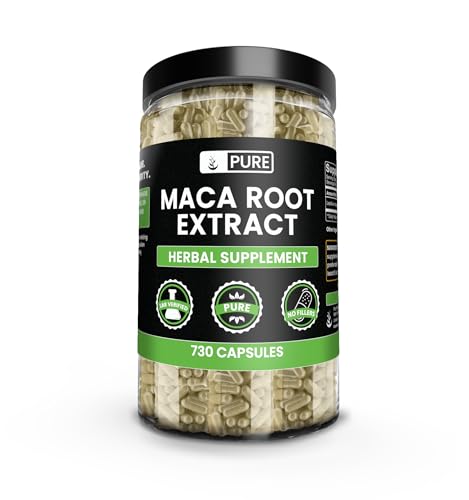
When searching for a maca root supplement, quality and purity are paramount. Given the increasing popularity, the market is flooded with various options. Here are key factors to consider:
Look for products labeled as “organic maca root powder” or “organic maca root capsules” to ensure they are free from pesticides and harmful chemicals. Certification from a reputable organic body is a good indicator.
Consider whether you prefer “gelatinized maca” for easier digestion, especially if you have a sensitive stomach, or raw maca if digestive issues are not a concern. Both forms offer benefits.
Check for “Peruvian maca” to ensure the root is sourced from its native region, where it naturally thrives and develops its potent compounds. Some brands specify the maca color (red, black, yellow) which can be helpful if you are targeting specific benefits.
Conclusion: Maca Root for Your Perimenopausal Journey
The journey through perimenopause is unique for every woman, often marked by challenging symptoms that impact daily life. While the scientific community continues to explore the full extent of maca root’s capabilities, the existing research, combined with centuries of traditional use, paints a compelling picture.
For women seeking natural support for energy, libido, mood balance, and overall well-being during perimenopause, maca root offers a promising adaptogenic option. Its non-hormonal mechanism of action makes it an attractive choice for those looking to support their body’s own regulatory systems.
As with any supplement, consistency is key, and individual responses can vary. By choosing high-quality maca and integrating it thoughtfully into your wellness routine, you may find a valuable ally in navigating the shifts of perimenopause with greater vitality and balance.
Frequently Asked Questions (FAQ)
How long does it take for maca root to work?
The effects of maca root are typically gradual and can vary by individual. Many users report noticeable changes in energy and mood within 2-4 weeks, while improvements in libido and more significant hormonal balancing effects may take 4-8 weeks or longer of consistent use.
Are there any side effects of maca root?
Maca root is generally well-tolerated. Some individuals, particularly those new to maca or consuming raw maca, may experience mild digestive upset such as gas or bloating. Starting with a low dose and opting for gelatinized maca can help mitigate these issues. Rarely, some may experience temporary jitters or sleep disturbances if taken too close to bedtime.
Can I take maca root if I’m on hormone replacement therapy (HRT)?
While maca root does not contain hormones, it can influence the body’s endocrine system. If you are on HRT or any other hormone-modulating medications, it is crucial to consult with your doctor before adding maca root to your regimen to ensure there are no potential interactions or contraindications.
What is the best type of maca for perimenopause?
Red maca is often recommended for women, especially for hormonal balance and bone health, based on some research and traditional use. However, yellow maca, the most common type, is also widely used and studied for general well-being and libido. Black maca is frequently associated with energy and stamina. You might consider a blend or experiment to see which type suits you best.
Can maca root help with weight gain during perimenopause?
While maca root is not a direct weight loss supplement, its ability to support hormonal balance, improve energy levels, and reduce stress may indirectly help manage weight. When energy levels are higher and mood is stable, it can be easier to maintain a healthy diet and exercise routine, which are key for weight management during perimenopause.
Is maca root safe for long-term use?
Maca root has a long history of safe use as both a food and a medicinal herb in its native Peru. Most studies indicate it is safe for consistent, long-term use within recommended dosages. As always, listening to your body and consulting with a healthcare professional for personalized advice is recommended, especially if you plan extended use.
These statements have not been evaluated by the FDA. This product is not intended to diagnose, treat, cure, or prevent any disease.
References
- Hormone-Balancing Effect of Pre-Gelatinized Organic Maca (Lepidium peruvianum Chacon): (III) Clinical responses of early-postmenopausal women to Maca in double blind, randomized, Placebo-controlled, crossover configuration, outpatient study. International Journal of Biomedical Science, 2006
- Maca reduces blood pressure and depression, in a pilot study in postmenopausal women. Climacteric: the journal of the International Menopause Society, 2015
- Beneficial effects of Lepidium meyenii (Maca) on psychological symptoms and measures of sexual dysfunction in postmenopausal women are not related to estrogen or androgen content. Menopause (New York, N.Y.), 2008
- Maca (L. meyenii) for improving sexual function: a systematic review. BMC Complementary and Alternative Medicine, 2010
- A double-blind, randomized, pilot dose-finding study of maca root (L. meyenii) for the management of SSRI-induced sexual dysfunction. CNS Neuroscience & Therapeutics, 2008
These statements have not been evaluated by the Food and Drug Administration. This information is not intended to diagnose, treat, cure, or prevent any disease. Content is for informational purposes only and is not medical advice; consult a qualified healthcare provider before starting any supplement. As an Amazon Associate we earn from qualifying purchases.
