You’re feeling it, aren’t you? That subtle shift, the one where your energy isn’t quite what it used to be, your libido seems to have taken a sabbatical, and your mood feels like it’s on a rollercoaster you didn’t sign up for. Welcome to perimenopause, a natural, yet often challenging, transition many women experience in their 40s and early 50s. You’ve likely heard whispers about natural remedies, and one name keeps popping up: Maca root.
But what exactly is Maca root, and can this ancient superfood truly offer the support you’re seeking for renewed vitality, hormonal balance, and a revived sex drive? This comprehensive guide will explore the science behind Maca, its potential benefits for women navigating perimenopause, and what the latest research tells us about its safety and efficacy in 2026.
What is Maca Root? Understanding Lepidium meyenii
Maca root, scientifically known as Lepidium meyenii, is a cruciferous vegetable native to the high-altitude Andes mountains of Peru. It has been cultivated and consumed for thousands of years by indigenous populations for its nutritional value and perceived medicinal properties.
The edible part is the root, which resembles a radish or turnip and comes in various colors, including yellow, red, and black. Traditionally, Maca was consumed as a food, often baked or roasted, and also used in traditional medicine for fertility, energy, and stamina.
Maca as an Adaptogen
Maca is often categorized as an adaptogen. Adaptogens are natural substances believed to help the body adapt to stress and maintain homeostasis.
They are thought to exert a normalizing effect on various bodily systems, without causing overstimulation or depletion. This adaptogenic quality is central to many of Maca’s proposed benefits, particularly in supporting the body through hormonal fluctuations and stress.
Maca Root for Perimenopause: Hormonal Balance and Symptom Relief
Perimenopause is characterized by fluctuating hormone levels, primarily estrogen and progesterone, which can lead to a range of uncomfortable symptoms. Many women turn to Maca root in hopes of finding natural relief.
While Maca does not contain hormones itself, research suggests it may exert its effects by supporting the body’s endocrine system. This interaction is believed to help the body better manage its own hormone production and balance.
Addressing Hot Flashes and Night Sweats
One of the most disruptive perimenopausal symptoms is hot flashes and night sweats. Several studies have explored Maca’s potential to mitigate these vasomotor symptoms.
A 2006 randomized, double-blind, placebo-controlled crossover trial in the International Journal of Biomedical Science found that early-postmenopausal women taking 2 g/day of gelatinized maca reported a reduction in hot flushes and night sweating[1]. A separate 2008 crossover trial in Menopause reported improved psychological symptoms, including anxiety and depression, compared with placebo[2].
Mood Support and Anxiety Reduction
Mood swings, irritability, and increased anxiety are common during perimenopause due to hormonal shifts. Maca’s adaptogenic properties may contribute to its potential mood-stabilizing effects.
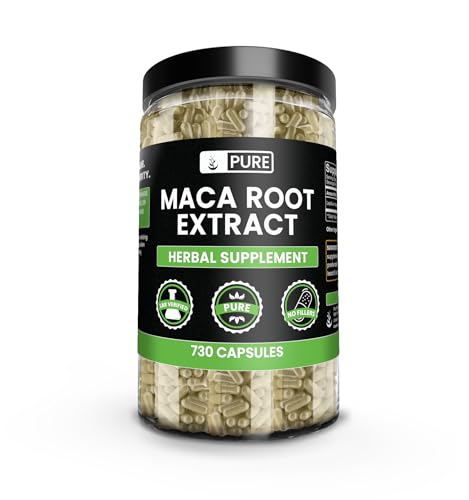
Research, including a 2008 crossover trial in the journal Menopause, indicates that maca can reduce symptoms of depression and anxiety in postmenopausal women[2]. That trial also measured estradiol, FSH, LH and sex hormone binding globulin and found no change in any of them, so whatever drives the effect, it is not a rise in estrogen. The exact mechanism is not fully understood, but it may involve influence on neurotransmitter systems or a general stress-reducing capacity.
Maca Root for Energy and Stamina
Many women in their 40s and 50s report a noticeable decline in energy levels, often attributed to hormonal changes, increased stress, and the demands of daily life. Maca root has a long-standing traditional reputation as an energy booster.
Modern research is beginning to explore the scientific basis for this traditional use. Maca is rich in carbohydrates, protein, fiber, and essential minerals, which are all fundamental for sustained energy.
Beyond its nutritional profile, its adaptogenic effects are thought to play a role in combating fatigue. By helping the body manage stress more effectively, Maca may indirectly contribute to improved energy levels and reduced feelings of exhaustion.
Maca Root for Libido and Sexual Function
A decrease in libido is a very common and often distressing symptom for women navigating perimenopause. Hormonal fluctuations, fatigue, and psychological factors can all contribute to reduced sexual desire.
Maca root has gained significant attention as a natural aphrodisiac. Its traditional use for enhancing fertility and sexual desire is supported by some contemporary research.
A 2008 pilot study published in CNS Neuroscience & Therapeutics investigated maca’s effect on antidepressant-induced sexual dysfunction in 20 outpatients, 17 of them women. Improvement reached significance only in the 3.0 g/day arm, and only 10 participants completed the study[3]. A separate trial in Andrologia (2002) found a positive effect on sexual desire in healthy adult men, with no accompanying change in serum testosterone[4], which fits the non-hormonal picture above.
Unlike some conventional treatments, Maca is not believed to directly impact sex hormone levels like testosterone or estrogen to achieve this effect. Instead, researchers hypothesize that its influence on mood, energy, and overall well-being may contribute to enhanced sexual desire and satisfaction.
Nutritional Profile of Maca Root
Beyond its adaptogenic properties, Maca root is a nutrient-dense food. Its rich nutritional composition contributes to its overall health benefits.
| Nutrient Category | Key Components | Potential Benefits |
|---|---|---|
| Carbohydrates | Complex carbohydrates | Sustained energy release |
| Proteins | Essential amino acids | Muscle repair, overall cellular function |
| Fiber | Dietary fiber | Digestive health, satiety |
| Vitamins | Vitamin C, B vitamins (B1, B2, B6) | Immune support, energy metabolism |
| Minerals | Calcium, Iron, Potassium, Copper, Zinc, Manganese | Bone health, oxygen transport, nerve function, antioxidant support |
| Bioactive Compounds | Macaenes, Macamides, Glucosinolates, Alkaloids | Unique adaptogenic and physiological effects |
Understanding Maca Types: Yellow, Red, and Black
Maca root comes in different colors, each with a slightly different phytochemical profile and traditional uses. While all types share general benefits, some research suggests specific advantages for each.
Yellow Maca: This is the most common variety and is often used for general well-being, energy, and hormonal balance. Most commercial Maca products are derived from yellow Maca.

Red Maca: Red Maca is particularly noted for its potential benefits for bone health and prostate health in men. Some women also find it beneficial for balancing hormones and reducing perimenopausal symptoms.
Black Maca: Black Maca is often associated with enhanced stamina, endurance, and male fertility. It also has a reputation for improving memory and cognitive function.
For women navigating perimenopause, a blend of Maca types or specifically yellow or red Maca may be most beneficial, depending on individual needs. Always consider the specific type when choosing a supplement.
Maca Root Dosage & Cost Calculator
Based on the labeled dose options for GreenPacks Organic Maca Root Concentrate 750mg and the published 300-count bottle at $39.99.
Open the full dosage & cost calculator →
Estimate only – based on the current listed price of the 300-count GreenPacks Organic Maca Root Concentrate 750mg bottle. Actual Amazon price can change; check the live price before buying.
Why no height/weight input? Unlike per-kg supplements (creatine, protein), Maca Root has no published bodyweight-adjusted dosing in the research behind it. This calculator doesn't fabricate a per-kg formula that doesn't exist in the literature.
Get GreenPacks Organic Maca Root Concentrate 750mg on Amazon(paid link) As an Amazon Associate we earn from qualifying purchases.
Safety, Dosage, and Considerations
Maca root is generally considered safe for most people when consumed in typical food amounts or as a supplement. However, as with any supplement, it’s essential to be informed and cautious.
Typical Dosage: Most studies use dosages ranging from 1.5 grams to 3 grams per day of powdered Maca root, often divided into multiple doses. It’s always best to start with a lower dose and gradually increase to assess tolerance and effectiveness.
Potential Side Effects: While rare, some individuals may experience mild side effects such as digestive upset (gas, bloating) or changes in sleep patterns, especially when first starting Maca. Headaches have also been reported in some cases.
Contraindications: Women who are pregnant or breastfeeding should avoid Maca due to insufficient research on its safety during these periods. Individuals with hormone-sensitive conditions, such as breast, uterine, or ovarian cancer, or endometriosis, should consult their doctor before taking Maca, as its potential influence on hormonal balance is still being studied.
Consult Your Doctor: It is always recommended to consult with a healthcare professional before starting any new supplement, especially if you have underlying health conditions or are taking medications. This ensures Maca is appropriate for your individual health profile.
Choosing a Quality Maca Supplement
When selecting a Maca supplement, quality matters significantly. The market offers a variety of products, and understanding what to look for can help you make an informed choice.
Gelatinized vs. Raw Maca: Gelatinized Maca is Maca root that has been cooked and pressurized to remove starch content. This process does not involve gelatin (animal product) but aims to make the Maca more digestible for some individuals, potentially reducing gastrointestinal upset. Raw Maca retains all its enzymes and nutrients in their natural state.
Organic and Fair Trade: Look for certifications like “organic” to ensure the Maca is grown without pesticides or harmful chemicals. Fair Trade certification supports ethical farming practices and fair compensation for farmers.
Source and Processing: Maca from its native Peruvian Andes is generally preferred due to its traditional cultivation methods. Understand how the Maca is processed (e.g., sun-dried, low-heat drying) to ensure nutrient integrity.
Third-Party Testing: Reputable brands will often provide evidence of third-party testing for purity, potency, and absence of contaminants. This adds an extra layer of assurance regarding product quality.
As an Amazon Associate, we may earn from qualifying purchases made through links on this page. This comes at no extra cost to you.
When searching for Maca supplements, consider these types:
Organic Gelatinized Maca Powder: Ideal for those seeking easier digestion and versatile use in smoothies or cooking.
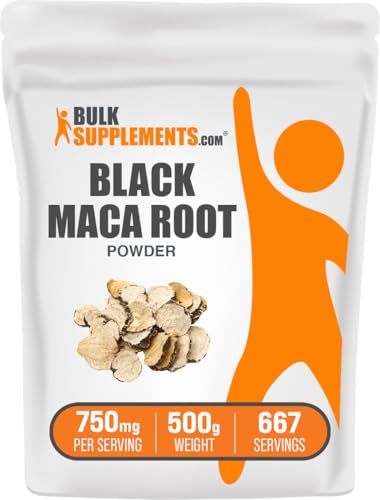
Black Maca Root Capsules: Often preferred for targeted benefits like energy and cognitive support, in a convenient capsule form.
Red Maca Root Extract: A concentrated form that may offer specific benefits for women’s health and hormonal balance.
Conclusion
Maca root stands as a compelling natural supplement for women navigating the complexities of perimenopause. While research, particularly large-scale randomized controlled trials, is still evolving, existing evidence and traditional use suggest promising benefits for energy, libido, and the reduction of common perimenopausal symptoms like hot flashes and mood swings.
Its adaptogenic qualities and rich nutritional profile make it a valuable addition to a holistic approach to wellness during this life stage. By understanding what Maca root is, its potential mechanisms, and how to choose a quality product, you can make an informed decision about whether this ancient superfood is right for your perimenopausal journey in 2026.
Frequently Asked Questions About Maca Root
These statements have not been evaluated by the FDA. This product is not intended to diagnose, treat, cure, or prevent any disease.

Ready to buy? Check current prices on Amazon and compare deals before you decide.
References
- Hormone-Balancing Effect of Pre-Gelatinized Organic Maca (Lepidium peruvianum Chacon): (III) Clinical responses of early-postmenopausal women to Maca in double blind, randomized, Placebo-controlled, crossover configuration, outpatient study. International Journal of Biomedical Science, 2006
- Beneficial effects of Lepidium meyenii (Maca) on psychological symptoms and measures of sexual dysfunction in postmenopausal women are not related to estrogen or androgen content. Menopause (New York, N.Y.), 2008
- A double-blind, randomized, pilot dose-finding study of maca root (L. meyenii) for the management of SSRI-induced sexual dysfunction. CNS Neuroscience & Therapeutics, 2008
- Effect of Lepidium meyenii (MACA) on sexual desire and its absent relationship with serum testosterone levels in adult healthy men. Andrologia, 2002
These statements have not been evaluated by the Food and Drug Administration. This information is not intended to diagnose, treat, cure, or prevent any disease. Content is for informational purposes only and is not medical advice; consult a qualified healthcare provider before starting any supplement. As an Amazon Associate we earn from qualifying purchases.
