Ready to buy? Check current prices on Amazon and compare deals before you decide.
Maca root, a plant native to the high Andes mountains, has gained attention for its potential wellness benefits, particularly for women navigating midlife and menopause. While often simply referred to as ‘maca,’ this root actually comes in several distinct colors, most commonly yellow, red, and black.
These different maca root types are thought to have slightly varying nutritional profiles and potential effects. Understanding these distinctions can help you make an informed choice as you consider incorporating maca into your well-being routine.
What are the Different Maca Root Types?
Maca (Lepidium meyenii) is a cruciferous vegetable, related to broccoli and cabbage[1]. The color of the maca root’s skin is what differentiates its ‘type.’ While the internal flesh of all maca roots is typically yellowish, the skin can be yellow, red, or black. These colors are not merely cosmetic; they are associated with subtle variations in the plant’s phytochemical composition[1].
Yellow maca is the most common variety, accounting for the largest percentage of maca harvested. Red maca is considered less common than yellow, and black maca is the least common of the three main types. While all maca shares a core set of nutrients, the specific balance of compounds like macamides, macaenes, and glucosinolates can vary between the colored varieties.
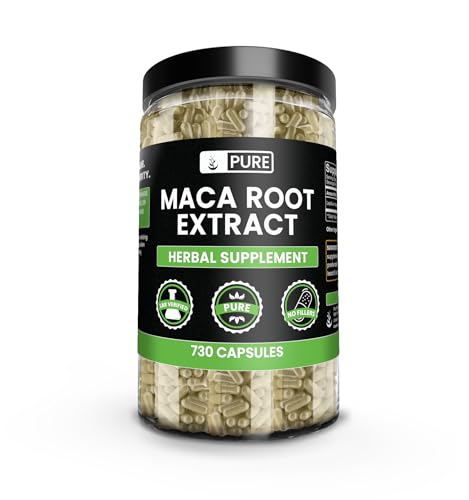
Yellow Maca: The Most Common Variety
Yellow maca is the most widely cultivated and consumed type of maca root. It makes up the majority of maca available on the market. Its widespread availability often means it is the variety used in many general maca products.
Due to its prevalence, yellow maca is often considered a good ‘general purpose’ maca. It contains the broad spectrum of nutrients and beneficial compounds found in maca. Many individuals find yellow maca to be a suitable option for supporting overall well-being during midlife and menopause, without focusing on highly specific concerns associated with the less common varieties.
Red Maca: A Less Common Option
Red maca is distinguished by its reddish-pink skin. It is less common than yellow maca but more prevalent than black maca. This variety is often sought out by individuals looking for specific properties that may be more concentrated in red maca.
The unique phytochemical profile of red maca is thought to contribute to its distinct characteristics. While all maca supports general well-being, some individuals choose red maca when they are looking for specific support, particularly related to bone health and hormonal balance. It’s important to remember that individual experiences with maca can vary.
Black Maca: The Rarest Variety
Black maca is the least common of the three main varieties, characterized by its dark, almost black skin. Its rarity means that products made exclusively from black maca may be less readily available and potentially more expensive than those from yellow or red maca.

Black maca is often chosen by those seeking support for energy, stamina, and cognitive function. Like the other maca types, black maca contains a range of beneficial compounds, and its unique color is associated with a particular balance of these components. Some individuals find black maca to be a preferred choice for supporting vitality and mental clarity during the menopause transition.
Choosing the Right Maca Root Type for You
Deciding which maca root type to choose can depend on your individual preferences and the specific aspects of well-being you wish to support. There is no single ‘best’ type of maca, as each offers a range of potential benefits. Many people start with yellow maca due to its general availability and broad spectrum of nutrients.
If you are specifically interested in support for bone health or particular aspects of hormonal balance, red maca might be a consideration. For those focusing on energy, stamina, or cognitive function, black maca could be a preferred choice. Some individuals also choose to rotate between different maca types or use a blend to obtain a wider range of compounds.
It’s important to consider maca as a part of a holistic approach to well-being, alongside a balanced diet, regular physical activity, and adequate rest. Pay attention to how your body responds to any maca product you choose. Starting with a lower dose and gradually increasing it can help you assess your personal tolerance and response.
References
- Not All Maca Is Created Equal: A Review of Colors, Nutrition, Phytochemicals, and Clinical Uses. Nutrients, 2024
These statements have not been evaluated by the Food and Drug Administration. This information is not intended to diagnose, treat, cure, or prevent any disease. Content is for informational purposes only and is not medical advice; consult a qualified healthcare provider before starting any supplement. As an Amazon Associate we earn from qualifying purchases.
