Ready to buy? Check current prices on Amazon and compare deals before you decide.
As women navigate the changes of midlife and menopause, many explore various options to support their well-being. Hormone Replacement Therapy (HRT) is a well-established medical approach, while botanicals like maca root are also gaining attention for their potential benefits during this transitional phase.
For those considering or already using HRT, understanding how maca root might fit into their health regimen is a natural and important question. This article aims to provide an evidence-based overview of what is currently known about combining maca root with HRT, emphasizing the importance of careful consideration and professional guidance.
Understanding Maca Root and Its Potential Role in Midlife
Maca (Lepidium meyenii) is a cruciferous vegetable native to the Andes mountains of Peru. Historically, it has been used for its nutritional value and perceived health-supporting properties. In recent years, maca root has garnered interest, particularly among women experiencing menopausal symptoms.
While often discussed in relation to hormones, maca root is not a source of plant-based hormones (phytoestrogens) in the same way that soy might be[1]. Instead, its proposed mechanisms of action are thought to involve supporting the body’s own endocrine system. This distinction is often a point of interest when considering its use alongside hormone-modulating therapies like HRT.
Hormone Replacement Therapy (HRT): A Brief Overview
Hormone Replacement Therapy involves supplementing the body with hormones, typically estrogen and often progesterone, to alleviate menopausal symptoms such as hot flashes, night sweats, and vaginal dryness[2]. HRT can be prescribed in various forms, including pills, patches, gels, and rings, and the specific type and dosage are tailored to individual needs and health profiles.

The decision to use HRT is a personal one, made in consultation with a healthcare provider, weighing potential benefits against individual health risks. Given that HRT directly introduces hormones into the body, careful consideration of any other substances that might influence hormonal pathways is prudent.
Maca Root and HRT: What Does the Evidence Suggest About Interactions?
When considering the combination of maca root and Hormone Replacement Therapy, the primary concern revolves around potential interactions that could either enhance, diminish, or alter the effects of HRT, or lead to unforeseen side effects. Unfortunately, scientific research specifically investigating the interactions between maca root and prescribed HRT is extremely limited.
Currently, there are no published human clinical trials or robust studies that have directly examined the safety or efficacy of combining maca root with various forms of Hormone Replacement Therapy. This absence of specific interaction data means that healthcare providers and individuals must proceed with caution and rely on general principles of botanical and pharmacological interactions.
The limited understanding of direct interactions underscores the importance of a cautious approach. While maca root is generally considered safe for many individuals when used appropriately, its effects on the endocrine system, even if indirect, could theoretically influence the body’s response to exogenous hormones provided by HRT. However, this is largely speculative in the absence of dedicated research.
Safety Considerations When Combining Maca Root and HRT
Given the current lack of specific interaction studies, safety considerations are paramount. It is crucial to approach the combination of maca root and HRT with extreme care and under the direct supervision of a qualified healthcare professional.
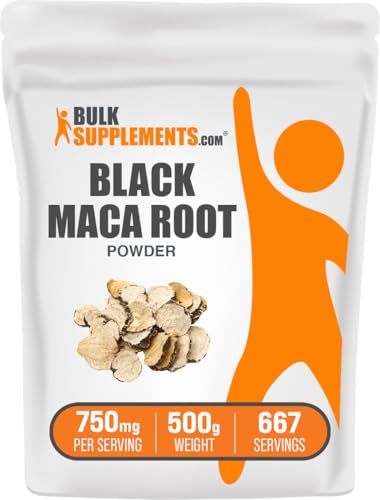
Individuals considering using maca root while on HRT should have an open and detailed discussion with their doctor. This conversation should cover their full medical history, current medications (including HRT), and any other supplements they are taking. The healthcare provider can help assess individual risk factors and monitor for any potential changes or adverse effects.
Without specific data, it is not possible to definitively state that maca root is safe to use with HRT, nor can we claim that it will not interfere. The principle of ‘start low and go slow’ is often advised when introducing new supplements, but in the context of HRT, it is even more critical to involve medical oversight. Monitoring for any changes in menopausal symptoms, new side effects, or alterations in HRT effectiveness would be essential.
Navigating Your Choices: A Careful Approach
For women in midlife and menopause, making informed choices about their health and well-being is key. When it comes to combining a botanical like maca root with a prescribed medication like HRT, the guiding principle should always be caution and consultation.
Some individuals may choose to avoid combining maca root with HRT altogether due to the lack of interaction data. Others, with their doctor’s guidance, may decide to proceed with extreme vigilance. In such cases, regular check-ups and open communication with the healthcare provider are non-negotiable.
It’s also important to consider the ‘why’ behind wanting to combine them. If maca root is being considered for symptoms that HRT is already addressing, it might be redundant or unnecessary. If it’s for different concerns, discussing these with a doctor can help determine the most appropriate and safest course of action, which may or may not involve maca root.
References
- Beneficial effects of Lepidium meyenii (Maca) on psychological symptoms and measures of sexual dysfunction in postmenopausal women are not related to estrogen or androgen content. Menopause (New York, N.Y.), 2008
- Black cohosh (Cimicifuga spp.) for menopausal symptoms. The Cochrane database of systematic reviews, 2012
These statements have not been evaluated by the Food and Drug Administration. This information is not intended to diagnose, treat, cure, or prevent any disease. Content is for informational purposes only and is not medical advice; consult a qualified healthcare provider before starting any supplement. As an Amazon Associate we earn from qualifying purchases.
