Ready to buy? Check current prices on Amazon and compare deals before you decide.
As women navigate midlife and menopause, many seek ways to support their well-being. Maca root is a plant that has garnered attention for its potential benefits. When considering any dietary supplement, understanding its quality and purity is paramount.
The market for supplements can be complex, and ensuring you are getting a high-quality product is essential. This is where the concept of maca root third-party testing becomes a valuable tool for consumers. Independent verification helps to confirm what’s in your supplement and what isn’t.
What is Maca Root Third-Party Testing?
Third-party testing refers to the process where an independent organization, not affiliated with the supplement manufacturer, evaluates a product. For maca root supplements, this typically involves sending samples to a specialized laboratory for analysis. The goal is to verify the product’s contents, purity, and quality claims made by the manufacturer.
This independent assessment helps to build consumer confidence by providing an unbiased verification of the product’s integrity. It’s a crucial step in ensuring that what you believe you are consuming is actually what’s in the package, free from unwanted contaminants or mislabeled ingredients.
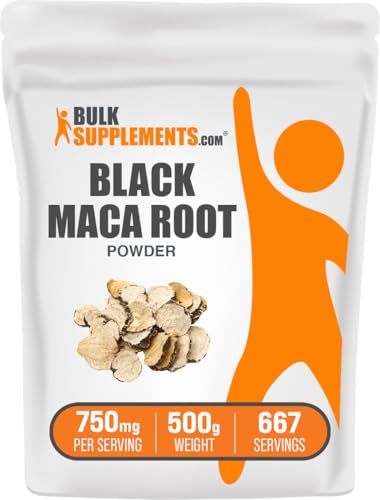
Why is Independent Verification Important for Maca Root?
The quality of maca (Lepidium meyenii) can be evaluated through various analytical methods [1]. These methods can help to identify the specific components within the root. Without independent testing, consumers rely solely on the manufacturer’s assurances, which may not always provide a complete picture.
Quality control procedures can be developed for maca root powder products to determine the presence of intact glucosinolates [2]. Glucosinolates are compounds naturally found in maca, and their presence can be an indicator of product quality. Verifying these components through third-party analysis adds an extra layer of assurance about the supplement’s composition. Similarly, UPLC-TQD-MS/MS methods can be validated for quality control of alkaloid content in maca-containing food and dietary supplements [3]. Alkaloids are another group of compounds found in maca, and their accurate measurement contributes to understanding the product’s profile.
Furthermore, a quality evaluation method for Lepidium meyenii using UPLC-UV-Q-TOF-MS has been developed [4]. Such advanced techniques allow for a comprehensive analysis of the maca root’s constituents, helping to confirm its authenticity and detect potential adulteration. Knowing that a product has undergone such rigorous testing can provide peace of mind.
Key Aspects of Maca Root Purity Testing
When a maca root supplement undergoes third-party testing, several aspects of its purity and composition are typically examined. These can include verifying the presence and concentration of key active compounds, as well as checking for unwanted substances. For example, methods exist for the purification of specific compounds like Lepidilines A, B, C, and D from Lepidium meyenii [5]. While this specific study focuses on purification for research purposes, it highlights the scientific capability to identify and quantify specific compounds within maca.
Another crucial aspect of purity testing is screening for contaminants. This might include heavy metals, pesticides, or microbial impurities that could compromise product safety. While the provided evidence does not explicitly detail contaminant testing in maca, the general principle of third-party testing is to ensure overall product safety and quality, which includes checking for such substances. For instance, the general understanding is that third-party testing provides knowledge and confidence in nutritional supplements [6].
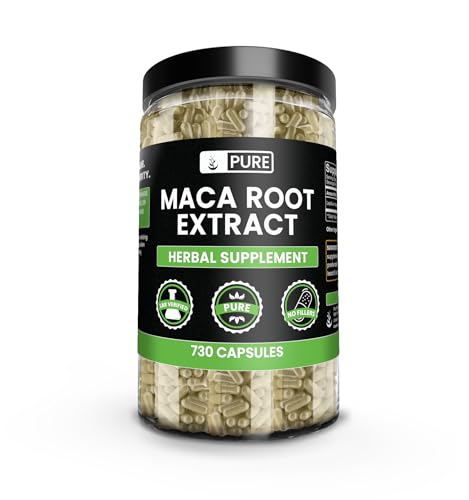
What to Look for in Third-Party Testing Certifications
When selecting a maca root supplement, look for clear indications of third-party testing on the product label or the manufacturer’s website. Reputable companies will often display seals or certificates from independent testing organizations. These certifications typically confirm that the product has been tested for identity, purity, and potency.
Some common certifications to look for might include those from organizations that specialize in dietary supplement testing. While specific certification bodies are not detailed in the provided evidence, the concept of independent testing providing assurance is well-established. For example, some studies on maca’s influence on sperm quality in dogs utilized dietary supplementation with Lepidium meyenii [7][8], implying a need for consistent product quality in such research settings, which third-party testing can help ensure. Always research the certifying body to understand their testing protocols and standards.
Navigating Supplement Labels and Claims
Understanding supplement labels can be challenging. When a product claims to be third-party tested, it’s beneficial to seek out the actual test results, if available. Many transparent manufacturers will provide a Certificate of Analysis (COA) for their products, which details the specific tests performed and their outcomes.
This level of transparency allows you to verify the claims directly. Remember that while some ingredients are commonly found in top-selling nutraceuticals for men’s sexual health [9] or are reviewed as natural aphrodisiacs [10], the focus for women in midlife and menopause should remain on overall product quality and purity, which third-party testing helps to confirm for maca root.
References
- [Quality control of Maca (Lepidium meyenii)]. Zhongguo Zhong yao za zhi = Zhongguo zhongyao zazhi = China journal of Chinese materia medica, 2015
- Controlling the quality of maca (Lepidium meyenii) dietary supplements: Development of compendial procedures for the determination of intact glucosinolates in maca root powder products. Journal of pharmaceutical and biomedical analysis, 2021
- UPLC-TQD-MS/MS Method Validation for Quality Control of Alkaloid Content in Lepidium meyenii (Maca)-Containing Food and Dietary Supplements. ACS omega, 2024
- [Quality evaluation method of Lepidium meyenii using UPLC-UV-Q-TOF-MS]. Zhongguo Zhong yao za zhi = Zhongguo zhongyao zazhi = China journal of Chinese materia medica, 2020
- Purification of Lepidilines A, B, C, and D from Lepidium meyenii Walpers by Centrifugal Partition Chromatography Followed by Semi-Preparative HPLC and Preliminary Evaluation of Anticancer Activity Against Neuroblastoma Cell Lines. Molecules (Basel, Switzerland), 2025
- Third-Party Testing Nutritional Supplement Knowledge, Attitudes, and Use Among an NCAA I Collegiate Student-Athlete Population. Frontiers in sports and active living, 2020
- Influence of dietary supplementation with Lepidium meyenii (Maca) on sperm quality in dogs. Frontiers in veterinary science, 2024
- Effects of oral black Maca (Lepidium meyenii) supplementation on semen quality and refrigerated storage stability in subfertile and normofertile dogs: a study on sperm parameters and testosterone levels. The veterinary quarterly, 2025
- A Urologist’s Guide to Ingredients Found in Top-Selling Nutraceuticals for Men’s Sexual Health. The journal of sexual medicine, 2015
- Natural Aphrodisiacs-A Review of Selected Sexual Enhancers. Sexual medicine reviews, 2015
These statements have not been evaluated by the Food and Drug Administration. This information is not intended to diagnose, treat, cure, or prevent any disease. Content is for informational purposes only and is not medical advice; consult a qualified healthcare provider before starting any supplement. As an Amazon Associate we earn from qualifying purchases.
