Ready to buy? Check current prices on Amazon and compare deals before you decide.
As women navigate the often-complex journey of perimenopause, many explore various natural approaches to support their well-being. Maca root, a plant native to the Andes mountains[1], has gained attention for its potential role in this phase of life. When considering maca root, a common question arises: is maca root powder or capsules a more suitable choice?
This article will explore the practical differences between maca root powder and capsules, offering insights to help you make an informed decision based on your personal preferences and lifestyle. We’ll discuss considerations like convenience, dosage control, and how each form might fit into your daily routine during midlife.
Understanding Maca Root Powder
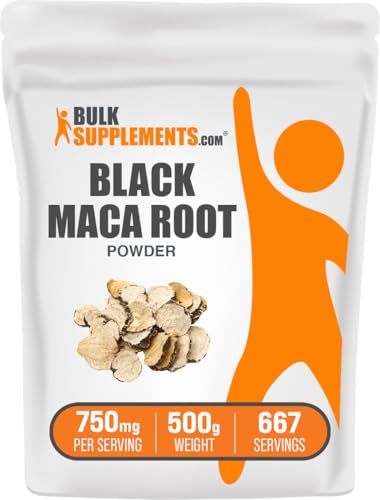
Maca root powder is simply dried and ground maca root. It’s often considered the most traditional form of maca, reflecting how it has been consumed for centuries in its native regions[2]. The powder typically has a distinct, earthy, and slightly nutty flavor, which some people describe as malty or butterscotch-like.
One of the primary advantages of maca root powder is its versatility in culinary applications. It can be easily incorporated into smoothies, oatmeal, yogurt, baked goods, and even savory dishes. This allows for creative ways to consume maca and integrate it into your regular diet, potentially making it a more enjoyable experience for those who appreciate its flavor.
However, the unique flavor of maca powder can also be a drawback for some. If you find the taste unappealing, masking it in recipes might become a challenge. Additionally, measuring powder accurately requires a measuring spoon, and it can be less convenient for on-the-go consumption compared to capsules.

Exploring Maca Root Capsules
Maca root capsules contain the same dried and ground maca root, but it’s encapsulated in a digestible shell. This form offers a different set of advantages, particularly concerning convenience and taste.
The most significant benefit of maca capsules is their ease of use. They are pre-measured, making dosage consistent and straightforward. Capsules are also flavorless, which is a major plus for individuals who dislike the taste of maca powder. They can be taken quickly with water, making them ideal for busy schedules or when traveling.
While capsules offer convenience, they may be less versatile than powder in terms of culinary integration. You won’t be adding them to your smoothie for flavor or texture. Also, for individuals who prefer to avoid swallowing pills, capsules might not be the preferred option. The cost per serving can sometimes be higher for capsules compared to bulk powder, though this varies by brand and supplier.
Dosage and Absorption Considerations
Regardless of whether you choose powder or capsules, it’s important to be mindful of dosage. Maca root is typically started at a lower dose and gradually increased to assess tolerance and individual response. Always follow the dosage recommendations provided by the product manufacturer, or consult with a healthcare professional for personalized guidance.
The bioavailability of maca root, or how well its beneficial compounds are absorbed by the body, is generally considered similar between powder and capsule forms, assuming both contain high-quality maca. The primary difference lies in the delivery method rather than a significant alteration in how the body processes the compounds once ingested. Some individuals find that gelatinized maca, which is a processed form of maca where starches are removed, may be easier to digest, whether in powder or capsule form. This is a processing difference, not a form difference.
Practical Considerations for Perimenopausal Women
When deciding between maca root powder and capsules during perimenopause, consider what fits best into your daily life and personal preferences. If you enjoy experimenting with recipes and don’t mind the earthy flavor, maca powder offers flexibility and integration into meals.
If convenience, portability, and taste-neutrality are your priorities, capsules might be the more practical choice. They simplify consistent daily intake, which can be helpful when navigating the fluctuating nature of perimenopause. Ultimately, the ‘best’ form is the one you are most likely to take consistently and comfortably.
It’s also worth noting that the effectiveness of maca root for perimenopausal support is still being explored. While many women report positive experiences, the scientific evidence supporting its use for specific perimenopausal symptoms is limited[3]. Therefore, consistency in taking whichever form you choose is key to observing any potential personal benefits.
Choosing the Right Maca for You
The choice between maca root powder and capsules largely comes down to personal preference, lifestyle, and how you prefer to incorporate supplements into your routine. Both forms deliver maca root, and the potential benefits are associated with the plant itself, not specifically its form.
Consider factors like your taste preferences, how much time you have for preparation, and your comfort with swallowing capsules. You might even consider trying both forms to see which one you prefer. Many individuals find success with either option when used consistently and as part of a holistic approach to perimenopausal well-being.
References
- Not All Maca Is Created Equal: A Review of Colors, Nutrition, Phytochemicals, and Clinical Uses. Nutrients, 2024
- Is the hype around the reproductive health claims of maca (Lepidium meyenii Walp.) justified?. Journal of ethnopharmacology, 2018
- Maca (Lepidium meyenii) for treatment of menopausal symptoms: A systematic review. Maturitas, 2011
These statements have not been evaluated by the Food and Drug Administration. This information is not intended to diagnose, treat, cure, or prevent any disease. Content is for informational purposes only and is not medical advice; consult a qualified healthcare provider before starting any supplement. As an Amazon Associate we earn from qualifying purchases.
