For women navigating midlife and menopause, understanding how the body utilizes beneficial compounds can be an important consideration. Maca root, a plant native to the Andes, has garnered interest for its potential supportive properties. When considering any supplement, a key question often arises: how well is it absorbed by the body?
This article explores the concept of maca root absorption and bioavailability, which refers to the proportion of a substance that enters the circulation when introduced into the body and is able to have an active effect. While research on maca root absorption specifically is limited, we can explore general principles and available insights that may help optimize its use.
What is Bioavailability and Why Does it Matter for Maca Root?
Bioavailability is a measure of how much of a substance, once consumed, is actually absorbed into the bloodstream and becomes available to exert its intended effects. For maca root, this means considering how the various compounds it contains are processed by the digestive system and subsequently delivered to the body’s cells. Good bioavailability is crucial for any substance to be effective, as a compound that is poorly absorbed will not reach its target sites in sufficient concentrations.
Maca root contains a complex array of compounds, including alkaloids, isothiocyanates, and fatty acids [7][8][2]. The way these individual components are absorbed can vary. Factors like the form of maca consumed, its preparation, and even individual digestive health can influence how much of these beneficial compounds ultimately become available to the body.
Forms of Maca: Raw vs. Gelatinized
Maca root is commonly available in two primary forms: raw and gelatinized. Raw maca is simply dried and ground maca root. Gelatinized maca, despite its name, does not contain gelatin; rather, it refers to a process where maca root is cooked and then dried, which breaks down the starch molecules. This process is thought to make it easier to digest for some individuals.
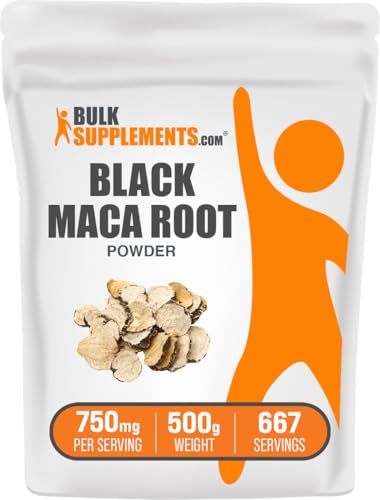
While no published study has compared the bioavailability of raw and gelatinized maca, the gelatinization process is often suggested to improve digestibility. Improved digestibility may indirectly support better absorption, as a less irritated digestive system might be more efficient at taking up nutrients. However, specific evidence confirming enhanced absorption of maca’s active compounds due to gelatinization is limited. Some research has looked at the simulated gastrointestinal digestion of nutritive raw bars, assessing nutrient bioavailability in a broader context [1].

Fats and Maca Root Absorption: A Potential Connection
Certain compounds in maca root, such as N-Benzyl-linoleamide, are fatty acid derivatives [2]. Fatty acids, particularly omega-3 polyunsaturated fatty acids (PUFAs), are known to have specific absorption pathways in the body and their bioavailability can be influenced by various factors, including their source and oxidative stability [3].
While specific evidence linking maca root absorption directly to dietary fat intake is not provided, the general principle of consuming fat-soluble compounds with a source of dietary fat is well-established for many nutrients. For women in midlife, incorporating healthy fats is often recommended for overall well-being. It is plausible that consuming maca alongside a small amount of healthy fats, such as those found in avocado, nuts, or seeds, may offer a supportive environment for the absorption of its fat-soluble components, though this is an area that requires more specific research.
The Role of Gut Health in Nutrient Absorption
A healthy digestive system is fundamental to the absorption of all nutrients, including those found in maca root. The gut microbiota plays a crucial role in breaking down food components and facilitating the uptake of beneficial compounds. Issues such as inflammation or an imbalanced gut flora can potentially hinder the absorption process.
Maintaining good gut health through a balanced diet rich in fiber, adequate hydration, and potentially probiotics, may indirectly support the optimal absorption of maca’s constituents. While no published study has linked maca root absorption to specific gut-health interventions, the general principle of a well-functioning digestive system being key to bioavailability is broadly accepted for dietary components. For example, some research has explored the determination of isothiocyanate-protein conjugates in food, highlighting how food matrix and digestion can affect compound availability [4].
Future Directions in Maca Root Bioavailability Research
Current research on maca root has explored various potential benefits, including antioxidant, neuroprotective, and antinociceptive effects [8][2]. Some studies have also investigated the physicochemical and functional properties of maca protein isolates [5]. However, detailed studies specifically on the bioavailability of maca’s diverse compounds in humans are limited.
Advanced delivery systems, such as solid lipid nanoparticles, have shown promise in enhancing the bioavailability of bioactive components from other plants, like Lepidium sativum, and improving their neuroprotective effects [6]. This suggests that future research into maca root could explore similar approaches to potentially optimize the delivery and absorption of its active constituents, offering new avenues for enhancing its utilization in the body.


References
- Simulated Gastrointestinal Digestion of Nutritive Raw Bars: Assessment of Nutrient Bioavailability. Foods (Basel, Switzerland), 2023
- N-Benzyl-linoleamide, a Constituent of Lepidium meyenii (Maca), Is an Orally Bioavailable Soluble Epoxide Hydrolase Inhibitor That Alleviates Inflammatory Pain. Journal of natural products, 2020
- Omega-3 Polyunsaturated Fatty Acids (PUFAs): Emerging Plant and Microbial Sources, Oxidative Stability, Bioavailability, and Health Benefits-A Review. Antioxidants (Basel, Switzerland), 2021
- Determination of Isothiocyanate-Protein Conjugates in a Vegetable-Enriched Bread. Foods (Basel, Switzerland), 2021
- Physicochemical and functional properties of a protein isolate from maca (Lepidium meyenii) and the secondary structure and immunomodulatory activity of its major protein component. Food & function, 2019
- Neuroprotective Effect of Solid Lipid Nanoparticles Loaded with Lepidium sativum (L.) Seed Bioactive Components Enhance Bioavailability and Wnt/β-Catenin/Camk-II Signaling Cascade in SH-SY5Y Neuroblastoma Cells. Nanomaterials (Basel, Switzerland), 2024
- Natural Alkaloids and Diabetes Mellitus: A Review. Endocrine, metabolic & immune disorders drug targets, 2021
- Antioxidant, Neuroprotective, and Antinociceptive Effects of Peruvian Black Maca (Lepidium meyenii Walp.). Antioxidants (Basel, Switzerland), 2025
These statements have not been evaluated by the Food and Drug Administration. This information is not intended to diagnose, treat, cure, or prevent any disease. Content is for informational purposes only and is not medical advice; consult a qualified healthcare provider before starting any supplement. As an Amazon Associate we earn from qualifying purchases.
