Navigating perimenopause often involves exploring various approaches to support well-being. Among the natural options women consider, maca root and soy isoflavones frequently come up in discussions.
This article aims to provide an evidence-based comparison of maca root and soy isoflavones, focusing on what current research suggests about their potential roles during perimenopause. We’ll look at the available evidence without making definitive claims or offering medical advice.
Understanding Maca Root and Its Traditional Use
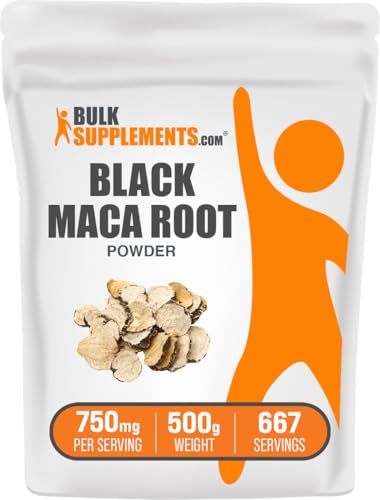
Maca root (Lepidium meyenii) is a cruciferous vegetable native to the Andes mountains of Peru. It has a long history of traditional use as a food source and for its perceived health benefits. Historically, it has been consumed for energy, stamina, and fertility.
In recent years, interest in maca root has grown, particularly among women seeking natural support during perimenopause and menopause. While research is ongoing, many women report incorporating maca into their daily routines during this life stage.


Soy Isoflavones: A Closer Look at Phytoestrogens
Soy isoflavones are plant compounds found in soybeans and soy products. They belong to a class of compounds known as phytoestrogens, which are structurally similar to human estrogen, though they have weaker effects in the body.
The concept behind using soy isoflavones during perimenopause often relates to their phytoestrogenic properties, with the idea that they might interact with estrogen receptors. Soy has been a subject of extensive research regarding its potential effects on various aspects of health, including bone health and cardiovascular well-being.

Maca Root vs. Soy: Similarities and Differences in Research
When comparing maca root and soy isoflavones, it’s important to recognize that they are distinct compounds with different chemical structures and proposed mechanisms of action. While both are being explored for their potential to support health during midlife, their pathways may differ.
One study involving rats explored both maca root (Lepidium meyenii) and soy isoflavones. This research indicated that both substances reduced cardiac stunning of ischemia-reperfusion in rats, suggesting potential mitochondrial mechanisms [1]. It’s crucial to remember that findings in animal studies do not always translate directly to humans, and more human-specific research is needed to understand these effects comprehensively.
Beyond this specific animal study, the body of research on maca and soy often focuses on different areas. Maca research frequently explores its impact on energy, mood, and sexual well-being, while soy research more often investigates its phytoestrogenic effects and potential links to bone density and cardiovascular health. Direct comparative studies in humans for perimenopausal symptoms are limited, making a definitive ‘better than’ statement challenging.
Considering the Evidence: What We Know for Perimenopause
For maca root, existing human studies on perimenopausal and menopausal symptoms are often small and have varying methodologies. Some studies have suggested potential benefits for mood, energy, and certain aspects of sexual well-being, but the overall evidence strength for these specific symptom improvements is still considered moderate. It is not classified as a phytoestrogen.
For soy isoflavones, a larger body of research exists, particularly regarding their potential impact on hot flashes and bone density. However, results are mixed, with some studies showing modest benefits and others showing no significant difference compared to placebo. The effectiveness can also vary depending on individual factors, such as gut microbiome composition, which influences how isoflavones are metabolized.
It’s important to note that the study cited, which looked at maca root and soy isoflavones, was conducted in rats and focused on cardiac stunning [1]. While this research provides insights into potential physiological mechanisms, it does not directly address perimenopausal symptoms in humans. Therefore, conclusions about the comparative efficacy of maca root versus soy isoflavones for perimenopausal symptom relief cannot be drawn solely from this evidence.
Safety Considerations and Individual Responses
Both maca root and soy isoflavones are generally considered safe for most people when consumed in typical dietary amounts. However, individual responses can vary. Some individuals may experience mild digestive upset with maca, especially when first introduced. For soy, concerns have sometimes been raised regarding its phytoestrogenic properties, particularly for individuals with hormone-sensitive conditions, though large-scale reviews generally suggest safety for most.
When considering either maca root or soy isoflavones, it’s always advisable to start with a lower dose and monitor how your body responds. Quality of supplements can also vary, so choosing reputable brands is important. Neither should be seen as a replacement for medical care or advice.
Making Informed Choices for Midlife Well-being
The journey through perimenopause is unique for every woman. While both maca root and soy isoflavones present intriguing possibilities for supporting well-being during this time, the current evidence base for their direct comparison in alleviating perimenopausal symptoms in humans is moderate and often from distinct research pathways.
The animal study showing both reduced cardiac stunning in rats via mitochondrial mechanisms [1] highlights a shared area of physiological interest, but it doesn’t offer direct guidance for symptom management in humans. Choosing between maca root and soy, or incorporating either, should be a thoughtful decision made in consultation with a healthcare provider, considering your individual health profile and specific concerns.
References
- Lepidium meyenii (maca) and soy isoflavones reduce cardiac stunning of ischemia-reperfusion in rats by mitochondrial mechanisms. Journal of traditional and complementary medicine, 2021
These statements have not been evaluated by the Food and Drug Administration. This information is not intended to diagnose, treat, cure, or prevent any disease. Content is for informational purposes only and is not medical advice; consult a qualified healthcare provider before starting any supplement. As an Amazon Associate we earn from qualifying purchases.
